
Receiving a diagnosis of Chronic Kidney Disease (CKD) can be overwhelming. However, understanding the medical treatment of CKD is the first step toward taking control of your health. Today, medical science has advanced significantly, offering numerous strategies to protect kidney function, manage symptoms, and improve your overall quality of life. The primary goal of any treatment plan is to slow the progression of the disease and prevent complications.
Can medical treatment of CKD reverse my kidney damage?
One of the most common questions patients ask is whether their kidneys can return to normal. While the medical treatment of CKD generally focuses on management rather than a "cure," it is highly effective at halting or significantly slowing the decline of kidney function. Once nephrons (the filtering units of the kidney) are scarred, they typically do not regenerate.
However, by focusing on the medical treatment of CKD early—specifically in Stage 1, 2, or 3—many patients can prevent the disease from ever reaching the point of kidney failure. Success is often measured by a stable glomerular filtration rate (eGFR), which is a blood test that shows how well your kidneys are filtering waste. By managing underlying causes like hypertension and diabetes, you essentially "freeze" the damage in its tracks.
What are the best medications used in the medical treatment of CKD?
The landscape of pharmaceutical intervention has changed dramatically in recent years. In 2026, the medical treatment of CKD relies on a "four-pillar" approach to nephroprotection.
-
SGLT2 Inhibitors: Originally for diabetes, drugs like dapagliflozin and empagliflozin are now a cornerstone of the medical treatment of CKD. They reduce the workload on the kidneys and have shown remarkable success in lowering the risk of kidney failure.
-
ACE Inhibitors and ARBs: These blood pressure medications (ending in "-pril" or "-sartan") are vital for reducing proteinuria (protein in the urine) and protecting the delicate blood vessels in the kidneys.
-
Non-steroidal Mineralocorticoid Receptor Antagonists (nsMRAs): Medications like finerenone are increasingly used to reduce inflammation and scarring (fibrosis) in the heart and kidneys.
-
Statins: Since CKD significantly increases cardiovascular risk, managing cholesterol is a standard part of the medical treatment of CKD.
How can I manage the side effects and complications of medical treatment of CKD?
As kidney function declines, the body struggles to maintain a balance of minerals and fluids. A significant part of the medical treatment of CKD involves addressing these systemic complications:
-
Anemia Management: Your kidneys produce a hormone called erythropoietin that tells your body to make red blood cells. When this fails, you may experience extreme fatigue. New treatments, such as HIF-PHI inhibitors, offer an oral alternative to traditional injections for boosting hemoglobin levels.
-
Hyperkalemia Control: High potassium can be dangerous for the heart. Doctors often prescribe potassium binders or recommend a specific renal diet to keep levels safe.
-
Bone and Mineral Health: To prevent "brittle bones," the medical treatment of CKD often includes phosphate binders and active Vitamin D supplements to balance calcium and phosphorus levels.
-
Metabolic Acidosis: If your blood becomes too acidic, your nephrologist might prescribe sodium bicarbonate to help neutralize the pH and preserve muscle and bone mass.
When do I need to start dialysis or consider a transplant during the medical treatment of CKD?
Planning for the future is a vital part of the medical treatment of CKD. Most specialists begin discussing Renal Replacement Therapy (KRT) when a patient's eGFR falls below $15 mL/min/1.73m^2$.
-
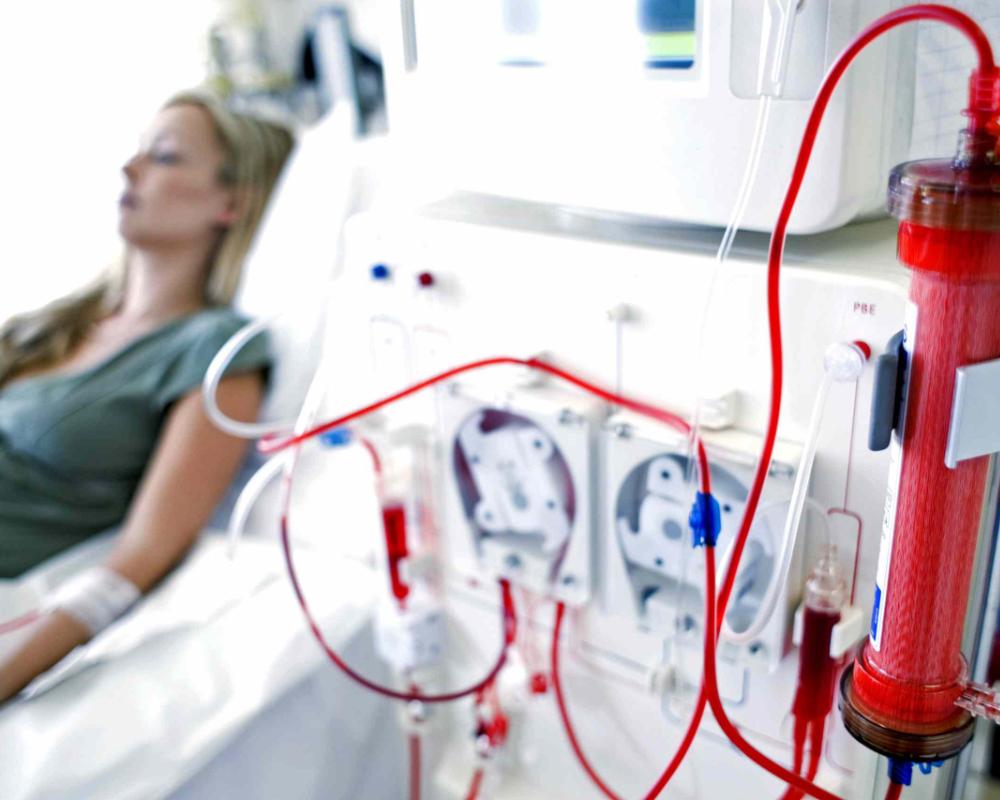
Dialysis: This can be done via hemodialysis (using a machine to filter blood) or peritoneal dialysis (using the lining of your abdomen). The choice depends on your lifestyle and medical needs.
-
Kidney Transplant: Often considered the "gold standard" of the medical treatment of CKD, a transplant can offer a much higher quality of life. Many patients now explore "pre-emptive" transplants, which occur before they ever need to start dialysis.
Conclusion: Taking the Next Step
The medical treatment of CKD is a marathon, not a sprint. By working closely with your healthcare team, adhering to your medication regimen, and maintaining a kidney-friendly lifestyle, you can live a long and fulfilling life. Remember, every drop of "renal reserve" you save today is a win for your future health.
Would you like me to create a personalized checklist of questions you should ask your nephrologist at your next appointment?