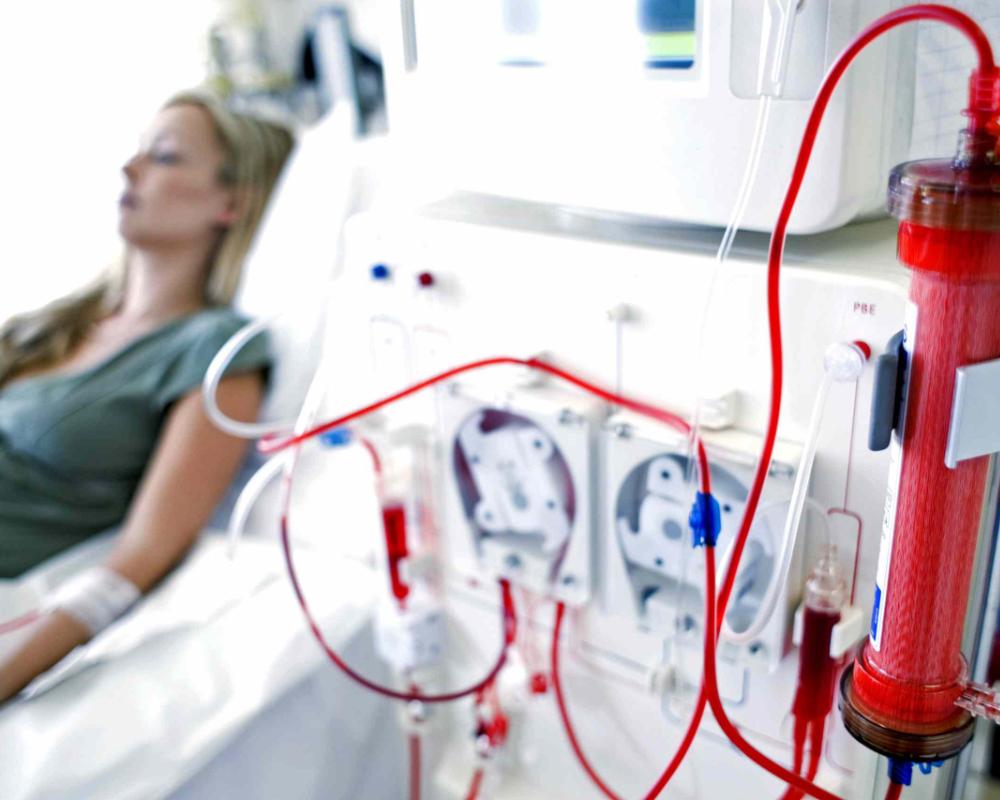

Receiving a diagnosis of chronic kidney disease (CKD) or being told that your kidney function is declining can trigger immediate anxiety. For many people, the very first thought that flashes through their mind is a terrifying question: Am I going to end up on a machine?
That fear is completely valid. The prospect of renal replacement therapy is overwhelming, but a diagnosis of kidney disease does not mean kidney failure is inevitable. In fact, modern nephrology focuses entirely on how to prevent dialysis through early intervention, strategic medical management, and targeted lifestyle modifications.
If you are looking for actionable steps to preserve your remaining kidney function, protect your filtration system, and alter your disease trajectory, this guide will provide evidence-based strategies to keep your kidneys working for as long as possible.
The Hidden Stress on Your Kidneys: Root Causes of Decline
To protect your kidneys, you must first manage the underlying forces causing them harm. Kidneys are packed with millions of microscopic filtering units called nephrons. When these nephrons are chronically stressed, they become scarred and stop functioning.
The two main culprits behind kidney damage are well-known, but their management is often sub-optimal.
1. Tight Blood Sugar Management
Diabetes is the leading cause of chronic kidney disease. When blood glucose levels remain consistently high, it chemically alters and damages the delicate blood vessels inside your kidneys.
Managing your blood sugar is not just about avoiding short-term spikes; it is about protecting these delicate biological filters from permanent structural damage. Keeping your Hemoglobin A1c within the target range recommended by your physician is a primary defense against disease progression.
2. Strict Blood Pressure Control
High blood pressure (hypertension) acts like a high-pressure hose blasting through a delicate pipe system. The constant force scars the renal arteries and decreases the kidneys' ability to filter waste.
For individuals with CKD, the standard blood pressure target is typically tighter than for the general population. Clinical guidelines frequently recommend maintaining a reading below 130/80 mmHg to reduce the physical workload and mechanical stress on your nephrons.
Game-Changing Medications: The New Frontier in Kidney Protection
In recent years, the medical community has shifted from simply tracking kidney decline to actively slowing it down. If you are trying to avoid renal failure, your medication regimen plays a vital role.
Two classes of prescription medications have become the cornerstones of renal preservation.
-
ACE Inhibitors and ARBs: Medications like lisinopril or losartan do more than just lower systemic blood pressure. They specifically dilate the blood vessels leaving the kidney, which lowers the internal pressure inside the filtering units. This mechanism reduces the leaking of protein into your urine, directly slowing down tissue scarring.
-
SGLT2 Inhibitors: Originally developed as type 2 diabetes medications, drugs such as dapagliflozin and empagliflozin have emerged as highly effective tools for kidney preservation. Clinical trials show they reduce stress on nephrons and slow the drop in your estimated glomerular filtration rate (eGFR), even in patients who do not have diabetes.
Crucial Safety Note: Always review your medication list with a nephrologist. Common over-the-counter pain relievers known as NSAIDs (Non-Steroidal Anti-Inflammatory Drugs), such as ibuprofen and naproxen, are directly toxic to compromised kidneys and can accelerate the need for advanced treatment.
Dietary Shifts to Ease the Filtration Workload
What you eat directly impacts the volume of metabolic waste your kidneys must process every day. Implementing targeted dietary modifications can significantly lower their operational burden.
Managing Dietary Sodium
Excess sodium causes your body to hold onto fluid, which drives up blood pressure and strains your cardiovascular and renal systems. To protect your filtration system, aim for less than 2,000 to 2,300 milligrams of sodium per day.
This involves moving away from processed meats, canned soups, and pre-packaged meals, and focusing instead on fresh, whole foods seasoned with herbs and spices.
Modifying Protein Intake
When your body metabolizes protein, it creates a waste product called urea, which your kidneys must filter out. Eating excessive amounts of protein forces compromised kidneys to work much harder.
Many nephrologists recommend a moderate or controlled protein intake—often around 0.8 grams per kilogram of body weight daily for those with advanced stages of disease—to give the organs a much-needed break. Shifting toward plant-based protein sources can also reduce the metabolic acid load on your system.
Monitoring Potassium and Phosphorus
As kidney function drops, the body struggles to balance key minerals. High blood levels of potassium can affect heart rhythms, while excess phosphorus weakens bones and damages blood vessels.
However, restrictions should not be self-imposed based on internet searches alone. Your specific blood work should dictate whether you need to limit high-potassium options (like bananas and potatoes) or high-phosphorus foods (like dairy and dark sodas).
Key Metrics to Track with Your Healthcare Team
You cannot manage what you do not measure. Partnering with your primary care provider or nephrologist requires keeping a close eye on two critical lab markers.
| Diagnostic Marker | What It Tells Your Doctor | Target Trend |
| eGFR (Estimated Glomerular Filtration Rate) | Measures how efficiently your kidneys filter waste based on blood creatinine levels. | You want this number to remain stable; rapid drops indicate accelerated damage. |
| UACR (Urine Albumin-to-Creatinine Ratio) | Checks for the presence of albumin, a type of protein, leaking into the urine. | You want this number as low as possible (below 30 mg/g is optimal); rising numbers signal active tissue strain. |
Daily Lifestyle Habits for Optimal Renal Health
Beyond medical and dietary interventions, daily physical habits form a protective shield around your remaining organ function.
-
Maintain Smart Hydration: Staying hydrated helps the kidneys clear sodium and toxins from the blood, but overdoing it does not "flush" the kidneys out. Drink to thirst, and if you have advanced kidney disease or fluid retention, follow the exact fluid limits set by your doctor.
-
Engage in Consistent, Moderate Exercise: Aim for at least 150 minutes of moderate cardiovascular activity per week, such as brisk walking or cycling. Exercise improves insulin sensitivity, assists in weight management, and helps naturally lower systemic blood pressure.
-
Prioritize Smoking Cessation: Smoking impairs blood flow throughout your vascular system. When you smoke, the blood flow to your kidneys drops sharply, speeding up tissue damage and scarring. Quitting smoking is one of the most immediate actions you can take to preserve your remaining renal health.
Overcoming the Overwhelm
Managing a chronic health condition can feel like a full-time job, and the emotional toll of trying to prevent severe complications can be heavy. It is completely normal to feel fatigued by the dietary rules, the daily blood pressure checks, and the frequent lab visits.
The most effective strategy is to focus on micro-habits rather than attempting an overnight lifestyle overhaul. Start by tracking your sodium for one week, or committing to a daily 20-minute walk. Work closely with a renal dietitian who can build an eating plan tailored to your exact lab numbers, removing the guesswork and food anxiety.
Remember, taking proactive control of your health today is the most powerful tool you have to protect your kidneys, preserve your quality of life, and delay or entirely avoid advanced renal therapies.
Medical Disclaimer
This article is for informational and educational purposes only and should not be considered medical advice. Chronic kidney disease is a complex medical condition that requires individualized clinical management. Always consult with a qualified physician, nephrologist, or registered renal dietitian before making any changes to your medication regimen, diet, or exercise routine.