
Managing your health when you have both Chronic Kidney Disease (CKD) and diabetes can feel like a balancing act. You are essentially juggling two sets of dietary rules that sometimes seem to contradict each other. However, a well-planned renal diet and diabetes strategy is the most powerful tool you have to protect your kidney function and keep your blood sugar stable.
How do I balance a renal diet and diabetes without feeling overwhelmed?
The first step in a successful renal diet and diabetes plan is understanding that your goals have shifted. While a standard diabetic diet focuses heavily on carbohydrates, the renal component introduces limits on minerals like sodium, potassium, and phosphorus. This means you have to be more selective about the "healthy" foods you choose, as some high-fiber options might be too high in potassium for your kidneys to handle.
Focusing on high-quality, lean proteins and low-glycemic index vegetables is a great starting point. By choosing foods that satisfy both requirements—like cauliflower, berries, and egg whites—you can simplify your meal planning. It's about finding the "sweet spot" where your heart, kidneys, and blood sugar all stay happy.
Working with a registered dietitian who specializes in renal nutrition is invaluable. They can help you create a personalized roadmap that accounts for your specific stage of CKD. This professional guidance ensures you aren't just following a list of restrictions, but instead building a sustainable lifestyle that maintains your energy and slows disease progression.
What are the best foods for a renal diet and diabetes?
When searching for the best foods for a renal diet and diabetes, look for "double-duty" ingredients. Berries, such as strawberries and blueberries, are excellent because they are low in potassium and have a lower impact on blood sugar compared to tropical fruits. Similarly, cabbage and bell peppers provide essential vitamins and crunch without overloading your system with minerals your kidneys can't filter effectively.
Choosing Kidney-Friendly Carbohydrates
Not all carbs are created equal in this dual-diagnosis world. While whole grains are usually recommended for diabetes, some are high in phosphorus. Refined grains like white rice or sourdough bread might actually be safer for those in advanced stages of CKD, provided you monitor the portion sizes to prevent blood sugar spikes. It’s a nuanced choice that depends on your current lab results.
High-Quality Proteins with Low Phosphorus
Protein is necessary for muscle maintenance, but too much can stress the kidneys. For a renal diet and diabetes, egg whites are often considered the "gold standard" because they provide high-quality protein without the high phosphorus found in the yolk. Cold-water fish like salmon are also great choices, offering heart-healthy omega-3 fatty acids while being relatively easy on the renal system.
Healthy Fats for Sustained Energy
Since you may be limiting both certain carbs and proteins, healthy fats become a vital source of calories. Olive oil and small portions of avocado (if your potassium levels allow) can provide the satiety you need. These fats don't spike blood sugar and provide a dense source of energy to help prevent the weight loss sometimes associated with restrictive therapeutic diets.
Can I still eat out while following a renal diet and diabetes plan?
Eating out is one of the biggest pain points for people managing a renal diet and diabetes. Most restaurant meals are notoriously high in sodium, which can lead to fluid retention and high blood pressure—two major enemies of kidney health. However, with a bit of "detective work" and clear communication with your server, you can still enjoy a meal away from home.
The key is to stick to simple, grilled preparations. Ask for your protein—like chicken or fish—to be prepared without added salt or butter, and request dressings or sauces on the side. Steamed vegetables (choosing low-potassium options like green beans) are usually a safer bet than seasoned rice or potato-based sides.
Don't be afraid to be your own advocate. Many restaurants are happy to accommodate dietary needs if you explain that you are on a medically restricted diet. By planning ahead and perhaps checking the menu online, you can navigate social situations without compromising your renal diet and diabetes goals.
Why is sodium control so important for a renal diet and diabetes?
Sodium acts like a sponge in your body, holding onto water and increasing the volume of blood your heart has to pump. For someone managing a renal diet and diabetes, excess sodium is a "silent" threat that drives up blood pressure. High blood pressure is the second leading cause of kidney failure, making salt reduction a non-negotiable part of your daily routine.
Reducing sodium doesn't mean your food has to be bland. Using fresh herbs, lemon juice, and vinegar can add bright flavors to your meals without the risks associated with salt. Be wary of "low-sodium" salt substitutes, as many of them use potassium chloride, which can be dangerous for people whose kidneys cannot filter potassium effectively.
Reading labels becomes a vital skill. Many processed "diabetic-friendly" snacks are actually loaded with sodium to improve shelf life and flavor. By focusing on whole, unprocessed foods, you naturally lower your salt intake, which helps protect your kidneys from further damage and makes it easier for your diabetes medications to work effectively.
3-Day Sample Renal-Diabetic Meal Plan
Day 1
-
Breakfast:
-
2 scrambled egg whites (high-quality protein, low phosphorus)
-
1 slice of toasted sourdough or white bread (15g carbohydrates)
-
1 teaspoon of un-salted butter
-
1/2 cup of fresh blueberries
-
-
Morning Snack: 1/2 cup of sliced cucumbers with 1 tablespoon of cream cheese.
-
Lunch:
-
3 oz grilled chicken breast (seasoned with garlic powder and lemon juice—no salt)
-
1 cup of steamed cauliflower florets
-
1/2 cup of cooked white rice (22g carbohydrates)
-
Drizzled with 1 tablespoon of olive oil
-
-
Afternoon Snack: 1/2 cup of fresh red raspberries.
-
Dinner:
-
3 oz baked cod or tilapia
-
1 cup of sautéed zucchini slices
-
1/2 cup of couscous or small dinner roll (approx. 15-20g carbohydrates)
-
Day 2
-
Breakfast:
-
1/2 cup of cooked cream of wheat or low-phosphorus oatmeal (approx. 15g carbohydrates)
-
Made with water or rice milk (avoid dairy milk due to high phosphorus)
-
Top with 1 tablespoon of chopped walnuts (small portions are generally safe)
-
1/2 cup of sliced strawberries
-
-
Morning Snack: 1 hard-boiled egg white with a dash of black pepper.
-
Lunch:
-
Turkey Sandwich: 2 slices of white or sourdough bread, 2 oz of low-sodium, fresh-carved turkey breast, lettuce, and 1 tablespoon of mayonnaise.
-
Side of 1/2 cup of raw baby carrots (lower in potassium than cooked carrots)
-
-
Afternoon Snack: 10-12 unsalted rice crackers.
-
Dinner:
-
3 oz lean pork chop (cooked with herbs, no added salt)
-
1 cup of roasted asparagus spears
-
1/2 cup of buttered noodles (using white pasta to keep phosphorus down)
-
Day 3
-
Breakfast:
-
Omelet: 2 egg whites cooked with 1/4 cup of diced red bell peppers and a pinch of fresh herbs.
-
1 slice of white toast
-
1/2 cup of blackberries
-
-
Morning Snack: 1/2 cup of cottage cheese (if allowed on your specific phosphorus restriction) or 1/2 cup of low-potassium applesauce (unsweetened).
-
Lunch:
-
3 oz canned tuna (packed in water, drained) mixed with 1 tablespoon of mayo and celery.
-
Served over a large green salad (1.5 cups of loose leaf lettuce or iceberg)
-
1 tablespoon of oil and vinegar dressing
-
1/2 cup of unsalted pretzels (approx. 20g carbohydrates)
-
-
Afternoon Snack: 1 small apple (cored and sliced).
-
Dinner:
-
3 oz grilled salmon (excellent for heart health)
-
1 cup of steamed green beans
-
1/2 cup of cooked white pasta or white rice seasoned with parsley and olive oil
-
Important Meal Planning Tips:
Watch Hidden Phosphorus: Always read labels for food additives containing "phos" (like pyrophosphate or phosphoric acid). These are highly absorbed by the body and put extra strain on the kidneys.
Carbohydrate Consistency: Try to eat your meals and snacks around the same time each day to help keep your blood sugar steady and prevent sharp spikes or drops.
Medical Disclaimer: The information provided in this article is for educational purposes only and is not intended as medical advice. Always consult with your healthcare provider, nephrologist, or a registered dietitian before making significant changes to your diet, especially when managing chronic conditions like CKD and diabetes.
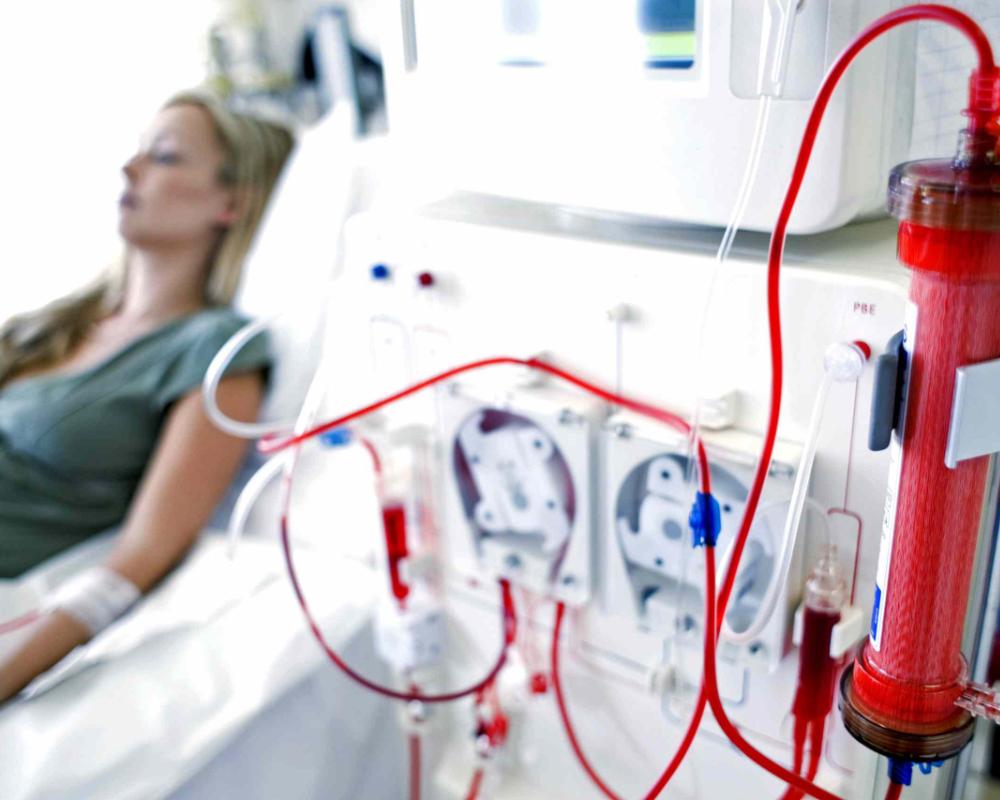
Are you tired of living under the shadow of kidney disease? Are you yearning for a life free from the shackles of dialysis, kidney failure, and the looming threat of kidney transplants? If so, you're in the right place at the right time. Imagine waking up every morning with boundless energy, feeling rejuvenated and ready to take on the day. Envision a life where your kidneys are functioning optimally, and you no longer dread the burdensome routines of dialysis sessions. The Kidney Disease Solution Program is here to turn that vision into reality for you.