
Receiving a diagnosis related to kidney function can feel like standing at the edge of an overwhelming map. As a specialist in nephrology, I have walked this path with thousands of patients. The most important thing to understand is that renal treatment is no longer a "one-size-fits-all" clinical protocol. In 2025, we have entered a "golden age" of kidney care, where personalized medicine and innovative therapies are allowing patients to live fuller, more active lives than ever before.
Whether you are managing early-stage Chronic Kidney Disease (CKD) or preparing for renal replacement therapy, understanding your options is the first step toward taking back control of your health.
What are the signs I need renal treatment?
Many patients ask me why they didn't "feel" sick until their kidney function had significantly declined. The kidneys are remarkably resilient, often compensating for damage until they are functioning at less than 25% of their capacity.
The most reliable indicators are not always how you feel, but what your lab work says. We look specifically at your Glomerular Filtration Rate (GFR), which measures how well your kidneys filter waste, and your albuminuria levels, which check for protein leaks in the urine. However, physical red flags that may suggest it is time to intensify your renal treatment include:
-
Persistent Edema: Swelling in the ankles, feet, or hands due to fluid retention.
-
Changes in Urination: Bubbling or foamy urine (a sign of protein loss) or changes in frequency.
-
Uremic Symptoms: As toxins build up, you may experience profound fatigue, a metallic taste in the mouth, or unexplained nausea.
-
Uncontrolled Hypertension: High blood pressure that becomes increasingly difficult to manage with standard medications.
What are the different types of renal treatment options?
In 2025, the landscape of renal treatment has expanded far beyond just "dialysis or nothing." We now categorize care into three main pillars:
1. Advanced Pharmacological Management
We are now using "kidney-protective" drugs that were originally designed for other conditions. SGLT2 inhibitors and GLP-1 receptor agonists (like semaglutide) have revolutionized how we slow the progression of kidney damage. These medications help reduce inflammation and scarring at the molecular level.
2. Dialysis Modalities
If your kidneys can no longer keep up with your body's needs, we look at dialysis.
-
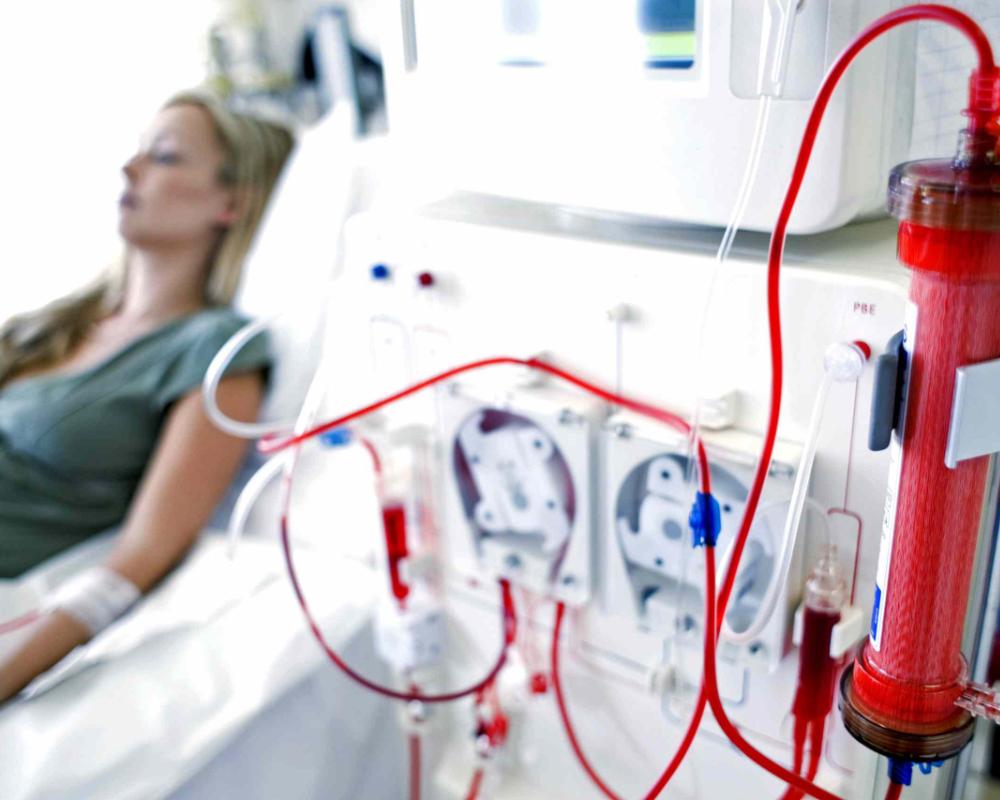
Hemodialysis: This involves using a machine to filter your blood. While many do this in a center three times a week, home hemodialysis is becoming the gold standard for those seeking a flexible lifestyle.
-
Peritoneal Dialysis (PD): This uses the lining of your abdomen to filter blood internally. It is often done overnight while you sleep, offering the greatest level of independence.
3. Kidney Transplant
For many, a kidney transplant is the goal. If your GFR drops below 20, you can be evaluated for the waiting list. A successful transplant is often the most effective renal treatment for restoring a patient's quality of life and long-term health.
Can renal treatment reverse kidney damage?
Historically, we told patients that once a kidney was scarred, the damage was permanent. However, recent breakthroughs in 2025 are challenging this. While we cannot yet "cure" advanced End-Stage Kidney Disease (ESKD), new research into ceramide-targeting therapies has shown the potential to protect mitochondria and even reverse certain types of acute cellular injury.
Furthermore, with early intervention and the use of modern medications, many patients are reaching a state of "clinical remission." This means that while the underlying disease exists, the progression is halted so effectively that the patient may never require dialysis. This is why starting renal treatment early—ideally in the early stages of CKD—is so critical.
How do I manage life while undergoing renal treatment?
Living with kidney disease requires a holistic approach. It isn’t just about the time spent in a clinic; it’s about what happens in your kitchen and your headspace.
-
The Renal Diet: Managing your intake of sodium, potassium, and phosphorus is vital. A specialized dietitian can help you create a meal plan that supports your kidney function without sacrificing flavor.
-
Vascular Access Care: If you are on hemodialysis, protecting your fistula or graft is a daily priority.
-
Mental Health: Chronic illness is taxing. Shared decision-making between you and your nephrologist ensures that your treatment goals align with your lifestyle goals, whether that involves traveling, working, or spending time with family.