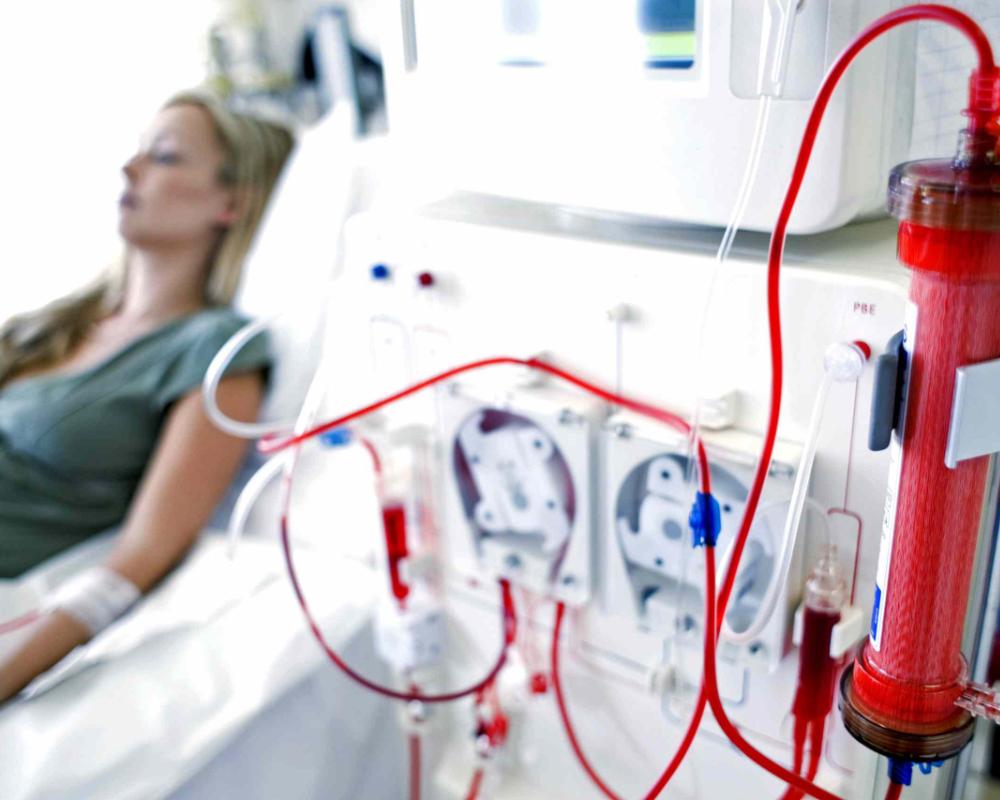
Your kidneys are the silent powerhouses of your body, filtering hundreds of liters of blood every day to keep your internal environment balanced and toxin-free. However, when these vital organs begin to show signs of wear, the priority immediately shifts toward stopping kidney disease from advancing. Understanding the proactive steps you can take today is the difference between maintaining your independence and facing a long road of medical intervention.
How do I stop kidney disease from getting worse?
The most effective strategy for stopping kidney disease progression involves managing the two primary drivers of renal decline: hypertension and diabetes. When blood sugar levels remain high, they act like sandpaper on the delicate blood vessels within your kidneys. Similarly, uncontrolled blood pressure puts immense physical strain on the nephrons, the tiny filtering units.
To effectively slow or halt the damage, medical professionals recommend:
-
Blood Pressure Control: Aiming for a target of less than $130/80$ mmHg.
-
Blood Sugar Management: Keeping your $HbA1c$ within a range recommended by your doctor to prevent further scarring.
-
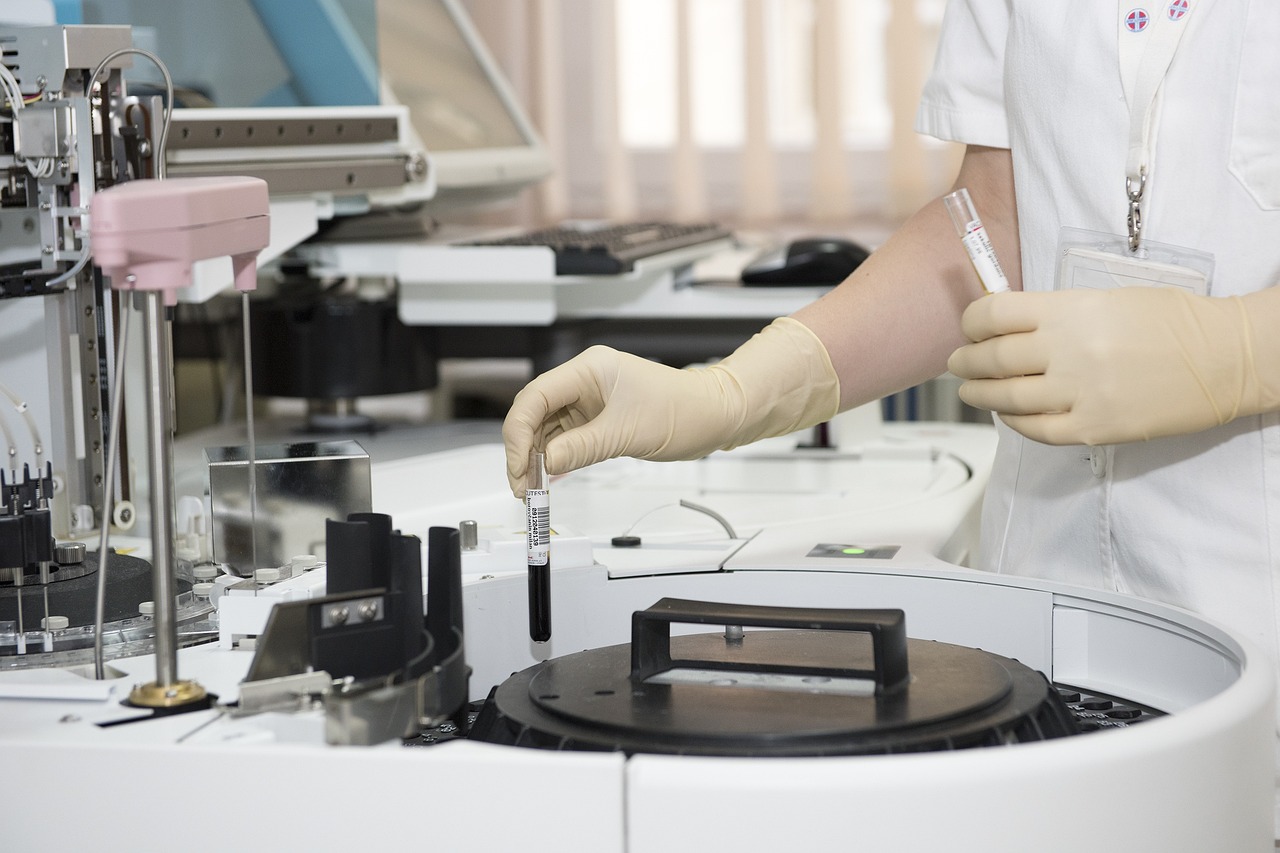
Regular Monitoring: Tracking your glomerular filtration rate (GFR) and creatinine levels to ensure your kidneys are still effectively clearing waste.
What are the early signs of kidney disease I should look for?
One of the greatest challenges in stopping kidney disease is that the condition is often asymptomatic in its early stages. By the time you feel "sick," the damage may already be significant. However, there are subtle "red flags" that shouldn't be ignored:
-
Changes in Urination: If you notice foamy urine, it may indicate proteinuria, where protein is leaking through damaged filters.
-
Persistent Swelling: Known as edema, fluid retention in the ankles, feet, or around the eyes is a classic sign of renal struggle.
-
Unexplained Fatigue: As toxins build up in the blood, you may feel increasingly sluggish or experience a "brain fog" that doesn't lift.
Can lifestyle changes actually help in stopping kidney disease?
Absolutely. Clinical evidence suggests that lifestyle modifications are non-negotiable when it comes to stopping kidney disease. Beyond medical prescriptions, your daily habits dictate the speed of renal aging.
-
Smoking Cessation: Tobacco use severely restricts blood flow to the kidneys and can interfere with blood pressure medications.
-
Weight Management: Reducing body weight lowers the metabolic demand on your kidneys.
-
Avoiding NSAIDs: Common over-the-counter painkillers like ibuprofen can be nephrotoxic. Switching to kidney-safe alternatives is a vital step in stopping kidney disease from being exacerbated by external toxins.
What foods should I avoid for stopping kidney disease progression?
Your kitchen is your first line of defense. A traditional "renal diet" is designed to reduce the workload on your kidneys by limiting certain minerals that the body can no longer filter efficiently.
For many, stopping kidney disease requires a focus on:
-
Sodium: Excessive salt leads to fluid retention and high blood pressure.
-
Potassium and Phosphorus: In advanced stages, foods like bananas, oranges, and dark sodas can cause dangerous electrolyte imbalances.
-
Protein Moderation: While protein is essential, an excess of animal protein can increase the "filtration pressure" in the kidneys. Shifting toward plant-based proteins can often provide the necessary nutrients with less renal stress.
Stopping kidney disease is a journey of consistency and awareness. While you cannot always reverse existing scarring, you have immense power to preserve the function you have left through a combination of medical diligence and mindful living.
Medical Disclaimer:
The information provided in the previous response and throughout this interaction is for informational and educational purposes only. It is not intended to be a substitute for professional medical advice, diagnosis, or treatment.