Receiving a diagnosis of chronic kidney disease (CKD) can feel overwhelming. Your kidneys are the unsung heroes of your body, tirelessly filtering waste, balancing fluids, and regulating blood pressure. When they begin to struggle, every aspect of your health is affected. However, treating chronic kidney disease is not just about reacting to symptoms; it is about a proactive, multi-front strategy to preserve your existing kidney function and maintain a high quality of life.
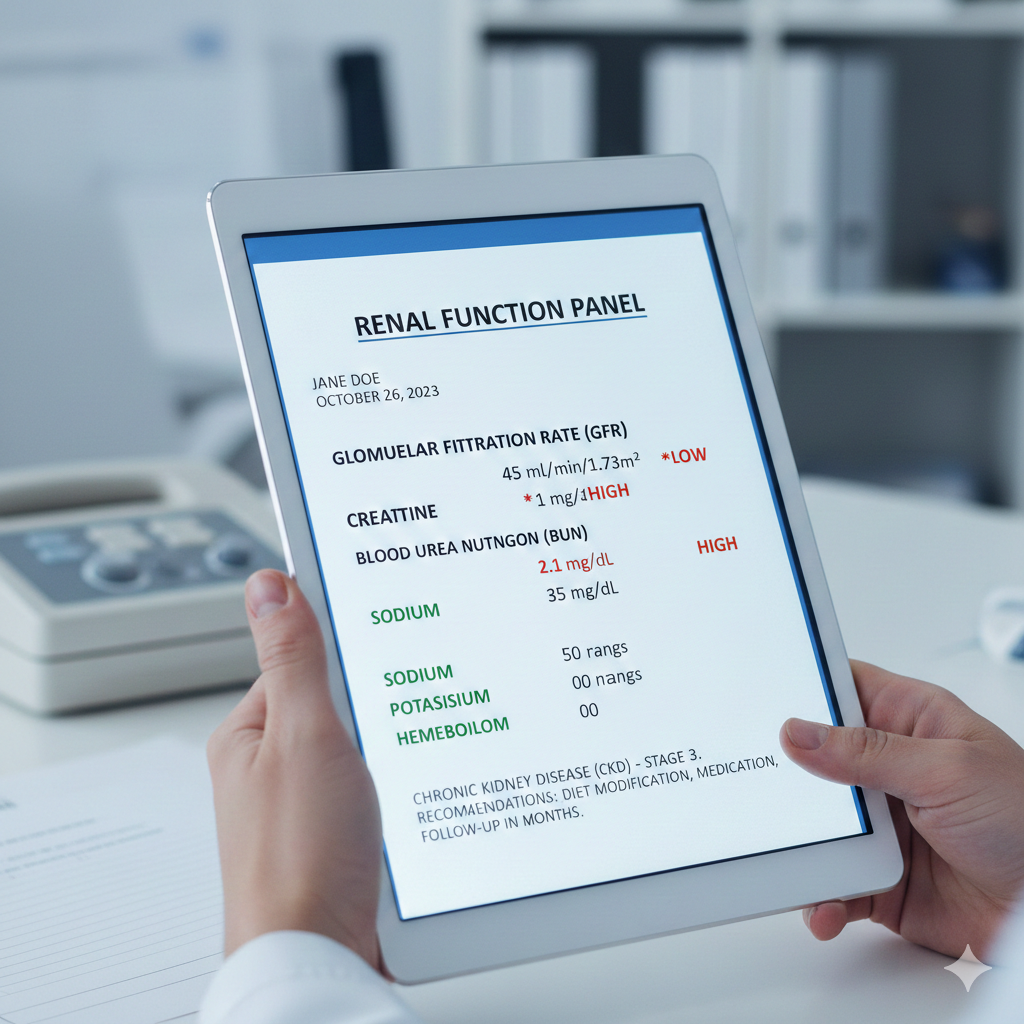
By understanding your glomerular filtration rate (GFR) and monitoring levels of albuminuria, you and your nephrologist can create a roadmap for long-term stability.
Can chronic kidney disease be reversed?
One of the most common questions following a diagnosis is whether the damage can be undone. In most cases, the structural damage to the nephrons is permanent. However, the focus of treating chronic kidney disease is not necessarily "reversal," but rather stabilization.
If CKD is caught in its early stages (Stage 1 or 2), it is often possible to stop the progression entirely. Even in Stage 3 or Stage 4, modern medical interventions can significantly delay the need for dialysis or a kidney transplant. The goal is to keep your kidneys functioning at their current level for as long as possible.
How can I slow down the progression of kidney failure?
The most effective way to slow progression is to manage the underlying conditions that stress the kidneys. For the majority of patients, this means rigorous hypertension management and diabetes control.
-
Blood Pressure Targets: High blood pressure damages the delicate blood vessels in the kidneys. Doctors often prescribe ACE inhibitors or ARBs to lower pressure and reduce protein leakage.
-
Glucose Management: For those with diabetes mellitus, keeping A1c levels within a target range prevents the glucose-related scarring of the kidney's filters.
-
New Therapeutics: Medications like SGLT2 inhibitors and Finerenone have emerged as game-changers in treating chronic kidney disease, showing remarkable results in protecting renal tissues.
Key Note: Always consult your medical team before starting new medications, as certain over-the-counter drugs, particularly NSAIDs like ibuprofen, can be toxic to the kidneys.
What are the best foods for treating chronic kidney disease?
Diet is perhaps the most powerful tool you have control over. A kidney-friendly diet is designed to reduce the workload on your kidneys by limiting the "waste" they have to filter.
| Nutrient | Why it Matters | Food Adjustments |
| Sodium | Increases blood pressure and fluid retention. | Avoid processed meats and canned soups; use herbs for flavor. |
| Potassium | High levels can cause dangerous heart rhythms. | Limit bananas, oranges, and potatoes if advised by your doctor. |
| Phosphorus | Can weaken bones and harden blood vessels. | Limit dark colas, dairy, and certain nuts; use phosphorus binders if prescribed. |
| Protein | Excess protein creates more urea for the kidneys to clear. | Opt for high-quality, plant-based proteins or lean portions of fish. |
What lifestyle changes are most effective for treating chronic kidney disease?
Beyond the pharmacy and the kitchen, your daily habits play a vital role in treating chronic kidney disease.
-
Stay Active: Regular, moderate exercise—like walking 30 minutes a day—helps regulate blood pressure and improves insulin sensitivity.
-
Quit Smoking: Smoking reduces blood flow to the kidneys and interferes with the effectiveness of blood pressure medications.
-
Monitor Hydration: While staying hydrated is important, those in later stages of CKD must be careful not to overconsume fluids, which can lead to swelling and heart strain.
-
Regular Screenings: Tracking your creatinine levels and GFR through frequent blood work allows for quick adjustments to your treatment plan.
By embracing these changes, you are not just managing a condition; you are actively defending your future. Treating chronic kidney disease is a marathon, not a sprint, and every healthy choice you make today acts as a shield for your kidneys tomorrow.