
As a nephrologist, I often encounter patients who feel overwhelmed after a diagnosis. The path forward can seem like a complex maze of lifestyle changes, medications, and clinical monitoring. However, the landscape for treatments options chronic kidney diseases has evolved significantly in 2025. We are no longer simply "slowing the decline"; we are now actively employing precision medicine and advanced pharmacotherapy to protect renal function.
How can I stop my kidney function from getting worse?
The most critical goal in managing treatments options chronic kidney diseases is preservation. Early intervention focuses on stabilizing the glomerular filtration rate (GFR). In 2025, the standard of care includes SGLT2 inhibitors and non-steroidal mineralocorticoid receptor antagonists (ns-MRAs) like finerenone. These medications have revolutionized how we address albuminuria and inflammation. By managing blood pressure with ACE inhibitors or ARBs and keeping blood sugar levels within a tight range, we can significantly delay the progression toward end-stage renal disease (ESRD).
What are my choices if my kidneys are nearing failure?
When GFR drops below 15, we transition the discussion to renal replacement therapy. Modern treatments options chronic kidney diseases now prioritize "patient-first" modalities. This includes:
-
Peritoneal Dialysis: A home-based option using the lining of your abdomen to filter blood.
-
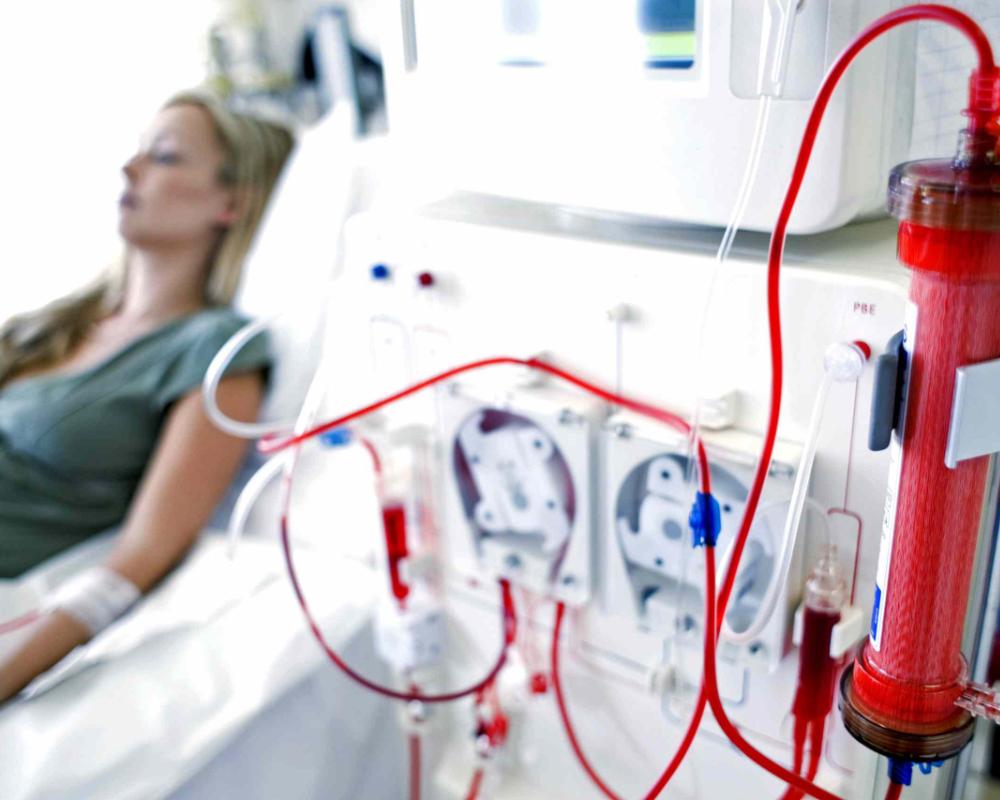
Hemodialysis: Traditional filtration, which can now be performed in shorter, more frequent sessions at home or in a center.
-
Kidney Transplant: Often the most effective long-term solution. In 2025, advances in xenotransplantation and 3D-bioprinting research are bringing us closer to solving the organ shortage.
-
Conservative Care: Focusing on quality of life and symptom management for those who choose not to pursue dialysis.
Can diet and lifestyle really replace medical treatments?
While diet cannot "cure" damaged nephrons, it is a cornerstone of treatments options chronic kidney diseases. A renal-friendly diet—low in sodium, processed phosphorus, and sometimes potassium—reduces the workload on your kidneys. In 2025, we emphasize personalized medical nutrition therapy over "one-size-fits-all" restrictions. Staying active and avoiding nephrotoxic substances like certain NSAIDs is just as vital as any pill I can prescribe.
Are you tired of living under the shadow of kidney disease? Are you yearning for a life free from the shackles of dialysis, kidney failure, and the looming threat of kidney transplants? If so, you're in the right place at the right time. Imagine waking up every morning with boundless energy, feeling rejuvenated and ready to take on the day. Envision a life where your kidneys are functioning optimally, and you no longer dread the burdensome routines of dialysis sessions. The Kidney Disease Solution Program is here to turn that vision into reality for you.