Receiving a diagnosis of renal (kidney) disease brings a sudden wave of uncertainty. For many, the very first question that comes to mind—yet feels the heaviest to ask—is: What is the life expectancy of someone with renal disease?
It is entirely natural to feel anxious about what the future holds. However, renal disease is not a single, uniform condition, and a diagnosis is not a definitive timeline. Modern medicine has completely transformed how kidney disease is managed, shifting the focus from simply tracking progression to actively extending both the length and quality of life.
To truly understand life expectancy in this context, it helps to break down the condition into its clinical stages, identify the key variables that influence long-term survival, and look at the proactive treatments available today.
The Spectrum of Chronic Kidney Disease (CKD)
Chronic Kidney Disease is categorized into five distinct stages. These stages are determined by an Estimated Glomerular Filtration Rate (eGFR), which measures how efficiently your kidneys filter waste products from your blood.
When looking at survival statistics, the data changes drastically depending on which stage a person is in when they begin tracking their health and implementing medical interventions.
Early-Stage Renal Disease (Stages 1 to 2)
In the earliest phases of CKD, kidney damage is mild. The kidneys are still performing their primary functions effectively.
-
Stage 1: Kidney damage present, but with normal or high kidney function (eGFR of 90 or greater).
-
Stage 2: Mild loss of kidney function (eGFR between 60 and 89).
For individuals diagnosed during these early periods, life expectancy is often very close to that of the general population. In fact, many people living with Stage 1 or 2 renal disease pass away from natural aging or entirely unrelated causes rather than kidney failure. The primary goal here is preservation: utilizing medication, managing blood pressure, and adjusting nutrition to ensure the disease never advances.
Mid-Stage Renal Disease (Stage 3)
Stage 3 is a critical turning point and is subdivided into two categories:
-
Stage 3A: Mild to moderate loss of kidney function (eGFR between 45 and 59).
-
Stage 3B: Moderate to severe loss of kidney function (eGFR between 30 and 44).
This is often the stage where physical symptoms—such as fatigue, mild swelling in the hands or feet, or changes in urination—first become noticeable. Life expectancy at Stage 3 depends heavily on age and biological sex.
According to epidemiological data, a 60-year-old individual diagnosed with Stage 3A kidney disease may have an average life expectancy ranging from 13 to 16 years. If the disease is properly managed and does not progress, individuals can live active, fulfilling lives for decades.
Advanced Renal Disease (Stage 4)
Stage 4 represents severe kidney damage (eGFR between 15 and 29). At this point, the kidneys are nearing failure, and conversations with a nephrologist (kidney specialist) shift toward preparing for renal replacement therapies, such as dialysis or a kidney transplant.
While Stage 4 brings an increased risk of complications, life expectancy still spans several years. For instance, a person in their 50s diagnosed at Stage 4 may have an average life expectancy of 8 to 12 years before factoring in the life-extending benefits of modern transplantation.
End-Stage Renal Disease / Kidney Failure (Stage 5)
Stage 5 occurs when kidney function drops below 15% (eGFR less than 15). At this juncture, the organs can no longer sustain life on their own, leading to a buildup of dangerous toxins and fluids in the body.
Survival at Stage 5 depends heavily on the chosen treatment pathway. Without any medical intervention, life expectancy is typically limited to weeks or months. However, with renal replacement therapies, life expectancy expands significantly.
Life Expectancy on Dialysis vs. Kidney Transplantation
When renal disease reaches its final stage, individuals and families face critical choices regarding long-term care. The two primary paths are maintenance dialysis and kidney transplantation.
The Realities of Dialysis
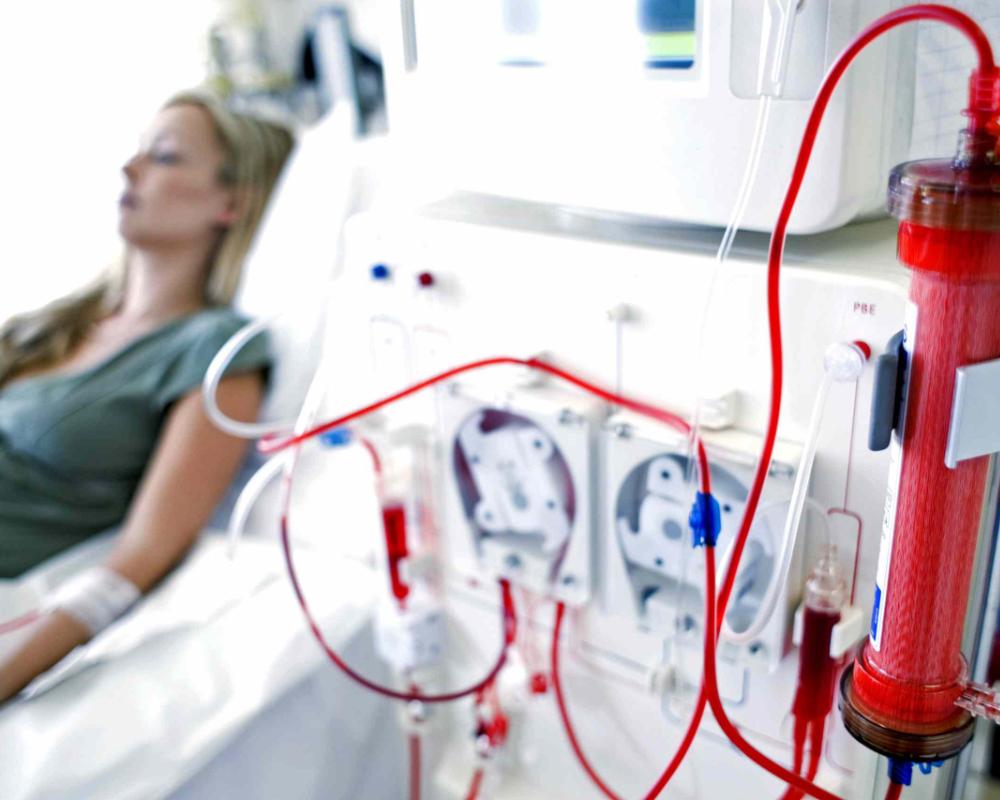
Dialysis is a life-saving technology that performs the filtering work the kidneys can no longer manage. There are two main types: hemodialysis (which filters blood through an external machine) and peritoneal dialysis (which uses the lining of the abdomen to filter waste inside the body).
Data from organizations like the National Kidney Foundation indicates that the average life expectancy for a patient starting dialysis is roughly 5 to 10 years. However, it is vital to treat this number as a baseline average rather than a ceiling. Many individuals thrive on dialysis for 15, 20, or even more years.
Survival on dialysis is highly dependent on overall health, strict adherence to fluid and dietary restrictions, and managing underlying cardiovascular health, as heart issues are a primary health risk for dialysis patients.
The Lifespan Advantage of Transplantation
A kidney transplant is widely considered the gold-standard treatment for eligible candidates with End-Stage Renal Disease. Receiving a healthy kidney from a living or deceased donor drastically changes the survival outlook.
According to the US Renal Data System (USRDS), individuals who receive a kidney transplant enjoy a massive survival advantage compared to those who remain on dialysis. For example, a middle-aged adult who receives a transplant can expect an average of 8 to 15 additional years of life—and often much more—compared to remaining on a dialysis regimen. Beyond extending life, a transplant eliminates the need for grueling dialysis schedules, vastly improving overall daily vitality and mental well-being.
Key Factors That Direct Longevity Outcomes
Every individual’s body reacts uniquely to renal disease. When doctors assess a prognosis, they look at an interconnected web of health variables rather than just a laboratory number.
-
Age at Diagnosis: Younger individuals generally have a higher number of remaining life years, though renal disease does reduce their baseline life expectancy compared to healthy peers. Older adults may experience a slower progression of kidney decline, but their overall timeline is influenced by the natural aging process.
-
The Root Cause of Kidney Damage: The underlying disease that triggered the renal decline plays a major role. For instance, kidney damage caused by an acute, temporary illness may stabilize. Conversely, kidney disease stemming from poorly managed, chronic systemic conditions like Type 2 diabetes or severe hypertension requires continuous control to prevent rapid decline.
-
Cardiovascular Health: The kidneys and the heart work in tandem. Kidneys regulate blood pressure and fluid balance; when they struggle, the cardiovascular system faces intense strain. Protecting heart health through proper diet, light exercise, and blood pressure control is one of the most effective ways to maximize life expectancy with renal disease.
Actionable Steps to Improve Prognosis and Extend Life
While certain factors like age and genetics are fixed, patients maintain an immense amount of control over how renal disease impacts their longevity. Active self-care and medical compliance can radically alter the disease's trajectory.
1. Meticulous Blood Pressure and Blood Sugar Management
High blood pressure and high blood sugar act like abrasive sandpaper on the delicate filtering units (nephrons) of the kidneys. Keeping your blood pressure below your doctor's target threshold and maintaining a stable Hemoglobin A1c level can slow down or completely halt kidney degradation.
2. Adhering to a Renal-Friendly Diet
What you eat directly changes the workload placed on your kidneys. A nephrology dietitian can help design a customized meal plan that typically involves:
-
Monitoring Protein Intake: Reducing heavy protein consumption in earlier stages to alleviate stress on kidney filters.
-
Balancing Electrolytes: Controlling sodium, potassium, and phosphorus intake to avoid dangerous accumulation in the bloodstream.
-
Fluid Management: Tracking daily liquid consumption closely if advanced staging or dialysis requires fluid limits.
3. Medication Tracking and Avoiding Nephrotoxins
Take all prescribed medications—such as ACE inhibitors or ARBs, which protect kidney tissue—exactly as directed. Equally important is avoiding common over-the-counter medications that are toxic to the kidneys (nephrotoxic). Nonsteroidal anti-inflammatory drugs (NSAIDs) like ibuprofen and naproxen can cause acute damage to compromised kidneys and should generally be avoided in favor of kidney-safe alternatives recommended by a doctor.
4. Smoking Cessation and Lifestyle Modification
Smoking accelerates blood vessel damage throughout the entire body, directly starving the kidneys of vital oxygenated blood. Quitting smoking is one of the most immediate, powerful choices a person can make to preserve residual kidney function and shield their heart from complications.
Finding Support for the Journey Ahead
Living with renal disease requires emotional resilience alongside medical care. Navigating treatment options, managing lifestyle adjustments, and processing the emotional weight of a chronic diagnosis can feel overwhelming.
Building a robust support network is vital. Do not hesitate to lean on family, join kidney disease support groups, or seek out counseling. Connecting with others walking a similar path can alleviate isolation, answer daily practical questions, and restore a sense of agency over your future.
Ultimately, while statistics offer a broad view of population data, they cannot predict your specific outcome. By working hand-in-hand with an experienced healthcare team, adopting protective lifestyle habits, and staying informed, you can actively shape a longer, healthier, and deeply meaningful life.
Medical Disclaimer
The information provided in this article is for educational and informational purposes only and should not be construed as professional medical advice, diagnosis, or treatment. Always seek the advice of your physician, nephrologist, or other qualified healthcare provider with any questions you may have regarding a medical condition, dietary changes, or treatment options. Never disregard professional medical advice or delay seeking it because of something you have read in this article.