What Is Creatinine and Why Does It Elevate?
Creatinine is a natural metabolic waste product generated by the breakdown of creatine phosphate in your muscles. Under healthy conditions, your kidneys filter creatinine out of the bloodstream and excrete it through urine at a steady rate.
When kidney function drops or filtration is impaired, creatinine builds up in the blood. Elevated serum creatinine is one of the primary biomarkers clinicians use to calculate your Estimated Glomerular Filtration Rate (eGFR). Knowing what to avoid when your levels are high helps prevent further damage to functional nephrons and keeps metabolic waste from accumulating.
According to research published by the National Institute of Diabetes and Digestive and Kidney Diseases (NIDDK), identifying external factors that spike creatinine levels is a critical step in preserving overall kidney health.
Key Dietary Items to Avoid When Creatinine Is High
Dietary choices directly impact kidney workload. Consuming foods high in nitrogen, sodium, or hard-to-clear minerals places excess stress on compromised filtering units (glomeruli).
+-----------------------------------------------------------------------------------+
|                        DIETARY EXCLUSIONS FOR HIGH CREATININE                     |
+-----------------------------------------------------------------------------------+
| 1. High-Sodium Foods (Processed Meats, Canned Foods, Fast Food)                  |
| 2. Excessive Red Meat & Heavy Protein Loading                                     |
| 3. High-Potassium Foods (In Advanced CKD / Hyperkalemia Risk)                      |
| 4. High-Phosphorus Processed Foods & Inorganic Phosphate Additives                |
+-----------------------------------------------------------------------------------+
1. Excessive Red Meat and High-Protein Meals
Cooking red meat breaks down creatine into creatinine, which is directly absorbed into your bloodstream. Eating large portions of red meat before a blood test can artificially raise serum creatinine levels independently of kidney damage.
-
What to avoid: Large servings of beef, lamb, pork, and heavy protein powders.
-
Better alternative: Transition to moderate portions of lean plant-based proteins like tofu, legumes, or small servings of poultry under the guidance of a renal dietitian. For more details on filtration benchmarks, read our article on understanding GFR units.
2. High-Sodium Processed Foods
Sodium drives fluid retention and elevates systemic blood pressure. High blood pressure damages the delicate microvasculature of the kidneys, accelerating functional decline.
-
What to avoid: Canned soups, cured meats, frozen pre-packaged dinners, salty snack foods, and commercial fast food.
-
Target intake: Keep total daily sodium under 2,000 mg per day (roughly one teaspoon of salt).
3. Inorganic Phosphate Additives
When kidney function decreases, clearing excess phosphorus becomes difficult. High serum phosphorus pulls calcium from bones, weakening bone structure and hardening vascular tissue.
-
What to avoid: Dark sodas, processed cheeses, packaged baked goods, and pre-flavored meats containing inorganic phosphate preservatives (check labels for words containing "PHOS").
| Food Category | High-Creatinine Risk Level | Items to Limit or Avoid | Safer Alternatives |
| Proteins | High | Red meat, heavy protein powders, organ meats | Tofu, egg whites, small portions of poultry |
| Snacks/Seasonings | High | Table salt, soy sauce, potato chips, processed snacks | Fresh herbs, garlic, lemon juice, salt-free spices |
| Beverages | Moderate to High | Dark colas, energy drinks, excessive alcohol | Plain water, herbal tea (approved by doctor) |
| Processed Foods | High | Frozen pizzas, deli meats, canned meals | Freshly prepared whole foods, low-sodium options |
Medications and Supplements to Avoid
Certain medications and dietary supplements can cause direct nephrotoxicity or alter renal blood flow, causing acute rises in creatinine.
[ Over-the-Counter NSAIDs ] ---> [ Constricted Afferent Arterioles ] ---> [ Reduced Glomerular Pressure ] ---> [ Elevated Creatinine ]
1. Non-Steroidal Anti-Inflammatory Drugs (NSAIDs)
Over-the-counter pain relievers like ibuprofen, naproxen, and high-dose aspirin block prostaglandins, which are signaling molecules that keep renal blood vessels open. Constricting these vessels reduces blood flow to the kidneys and depresses filtration.
-
Action step: Avoid chronic NSAID use. Discuss safer options—such as acetaminophen or localized physical therapies—with your physician.
2. Creatine Bodybuilding Supplements
Creatine supplements are converted directly into creatinine in the body. Taking creatine monohydrate raises serum creatinine levels on blood panels and places unnecessary filtration strain on your kidneys.
3. Unregulated Herbal Remedies and "Detox" Teas
Many commercial "kidney cleanses" or unregulated herbal supplements contain unlisted compounds, heavy metals, or concentrated minerals that can trigger acute kidney injury (AKI). Always review new supplements with your doctor before use.
Lifestyle Habits and Physical Factors to Avoid
Beyond food and medications, specific daily habits and physical stresses can elevate creatinine levels or accelerate kidney strain.
+-----------------------------------------------------------------------------------+
|                        LIFESTYLE FACTORS TO MONITOR & AVOID                       |
+-----------------------------------------------------------------------------------+
| Extreme Strenuous Exercise (Heavy Resistance / Rhabdomyolysis Risk)              |
| Dehydration & Severe Fluid Loss                                                    |
| Uncontrolled High Blood Pressure & Unmanaged Blood Sugar                           |
| Excessive Alcohol & Tobacco Use                                                   |
+-----------------------------------------------------------------------------------+
1. Strenuous Muscle-Damaging Exercise
Intense weightlifting or extreme endurance workouts cause temporary muscle breakdown, releasing creatinine and creatine kinase into the blood.
-
Guideline: Engage in moderate aerobic exercise like walking, swimming, or cycling. Avoid heavy resistance training right before a scheduled renal blood draw.
2. Dehydration
When you are dehydrated, blood volume decreases, reducing renal blood flow. This concentrates waste products in the bloodstream and temporarily depresses eGFR.
-
Guideline: Maintain consistent daily hydration unless your physician has placed you on a strict fluid restriction due to advanced CKD or fluid overload.
3. Uncontrolled Blood Pressure and Blood Sugar
Hypertension and unmanaged diabetes are the leading causes of kidney failure worldwide. Leaving these conditions unchecked accelerates vascular damage inside the kidneys.
-
Target goals: Keep blood pressure under 120/80 mmHg according to American Heart Association (AHA) standards, and maintain HbA1c below 7.0%. For guidance on clinical thresholds, explore our breakdown on when to worry about eGFR levels.
When to See a Doctor: Critical Symptoms
Elevated creatinine often produces no symptoms in its early stages. However, as waste products accumulate, physical warning signs may appear that require immediate medical attention.
[ Early Stage Elevation ] -------------> Asymptomatic (Spotted on Routine Blood Tests)
[ Moderate Waste Buildup ] ------------> Edema, Changes in Urination, Mild Fatigue
[ Severe Uremic Accumulation ] --------> Nausea, Metallic Taste, Shortness of Breath
Contact your doctor or nephrologist if elevated creatinine is accompanied by:
-
Fluid Retention (Edema): Persistent swelling in your ankles, feet, legs, or face.
-
Urine Changes: Foamy or bubbly urine, dark/bloody urine, or a significant decrease in daily urine volume.
-
Systemic Fatigue & Shortness of Breath: Weakness caused by anemia or fluid accumulation in the lungs.
-
Uremic Symptoms: Nausea, vomiting, loss of appetite, metallic taste in the mouth, or severe skin itching.
For additional supportive lifestyle steps, see our overview of evidence-based home remedies for kidney health.
Frequently Asked Questions
Can drinking water lower high creatinine levels?
Drinking water helps if your elevated creatinine was caused by temporary dehydration. Rehydrating restores normal blood volume and renal blood flow, helping the kidneys clear waste effectively. However, if elevated creatinine is due to chronic structural kidney damage, drinking extra water will not lower your baseline levels or repair damaged nephrons.
Does elevated creatinine always mean I have kidney disease?
No. Serum creatinine can temporarily rise due to dehydration, high red meat intake, intense exercise, creatine supplements, or specific medications. Clinicians confirm kidney disease by checking for sustained elevated creatinine over 90 days, ordering a urine albumin test (uACR), or checking Cystatin C levels.
Are bananas and high-potassium foods bad for high creatinine?
Potassium restriction depends on your overall kidney function. In early-stage kidney disease (Stages 1–3a), the kidneys usually balance potassium normally. In advanced stages (Stages 3b–5), clearance drops, making high-potassium foods like bananas, potatoes, and tomatoes a risk for dangerous hyperkalemia. Always follow personalized dietary advice based on your serum potassium lab results.
How quickly can creatinine levels drop back to normal?
If the elevation was caused by reversible factors—such as dehydration, acute NSAID use, or a high-protein meal—creatinine levels can normalize within a few days once the trigger is removed. If the rise stems from chronic kidney damage, levels typically stabilize rather than return to a lower baseline, making ongoing management essential.
Medically Reviewed By: Board-Certified Nephrologist & Clinical Team | Last Updated: September 2026 | Citations: 10 Peer-Reviewed Medical Sources Cited
Medical Disclaimer: The information provided in this article is for educational and informational purposes only and does not constitute medical advice, diagnosis, or treatment. Chronic Kidney Disease (CKD) and elevated creatinine levels require individualized clinical evaluation. Never disregard professional medical advice or delay seeking treatment because of something you have read on this website. Always consult a qualified physician or nephrologist before modifying your diet, medication, or supplement routine.
Want To Lower Creatinine Levels, Improve Kidney Function, And Safeguard Your Kidneys From Further Damage?
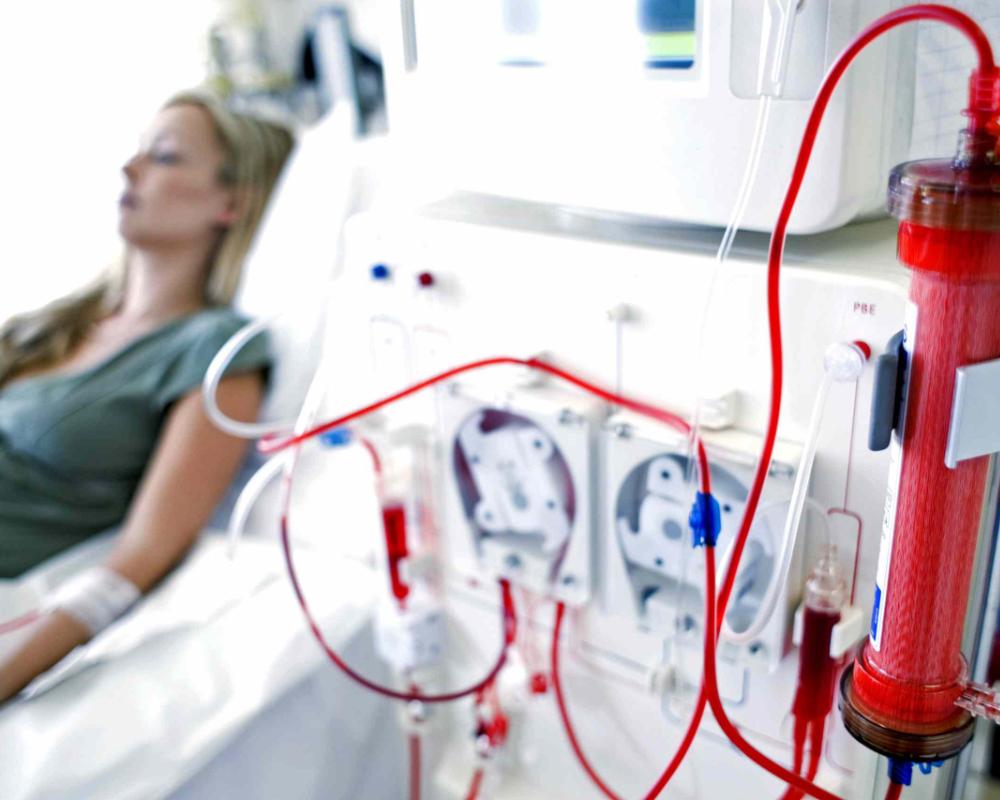
Are you tired of living under the shadow of kidney disease? Are you yearning for a life free from the shackles of dialysis, kidney failure, and the looming threat of kidney transplants? If so, you're in the right place at the right time. Imagine waking up every morning with boundless energy, feeling rejuvenated and ready to take on the day. Envision a life where your kidneys are functioning optimally, and you no longer dread the burdensome routines of dialysis sessions.