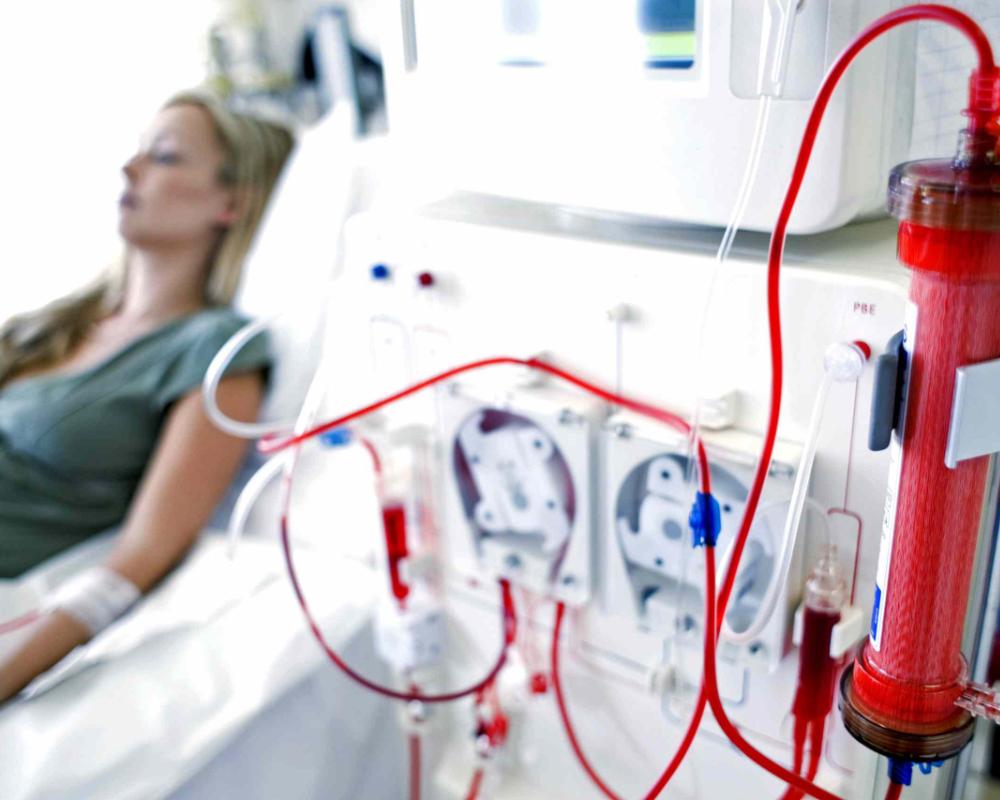
Discovering that you or a loved one is living with kidney disease can feel like stepping onto an unfamiliar road. It is completely normal to feel overwhelmed, anxious, or uncertain about what the future holds. Your kidneys work quietly behind the scenes to filter waste, manage fluid levels, and balance minerals. When their function slows down, your daily routine, eating habits, and healthcare plan must shift to support them.
The good news is that you are not powerless. Modern medicine, structured lifestyle changes, and proactive daily habits can dramatically slow the progression of chronic kidney disease (CKD) and help you maintain an active, fulfilling life.
This guide answers your most pressing questions and provides actionable, expert-backed strategies to help you live vibrantly while protecting your kidney health.
1. Demystifying Your Diagnosis: What the Numbers Mean
When you are first diagnosed, your medical team will reference several laboratory values. Understanding these numbers is your first step toward self-advocacy.
-
Estimated Glomerular Filtration Rate (eGFR): This is the primary metric used to determine your level of kidney function. It estimates how many milliliters of blood your kidneys filter per minute. A normal eGFR is typically above 90.
-
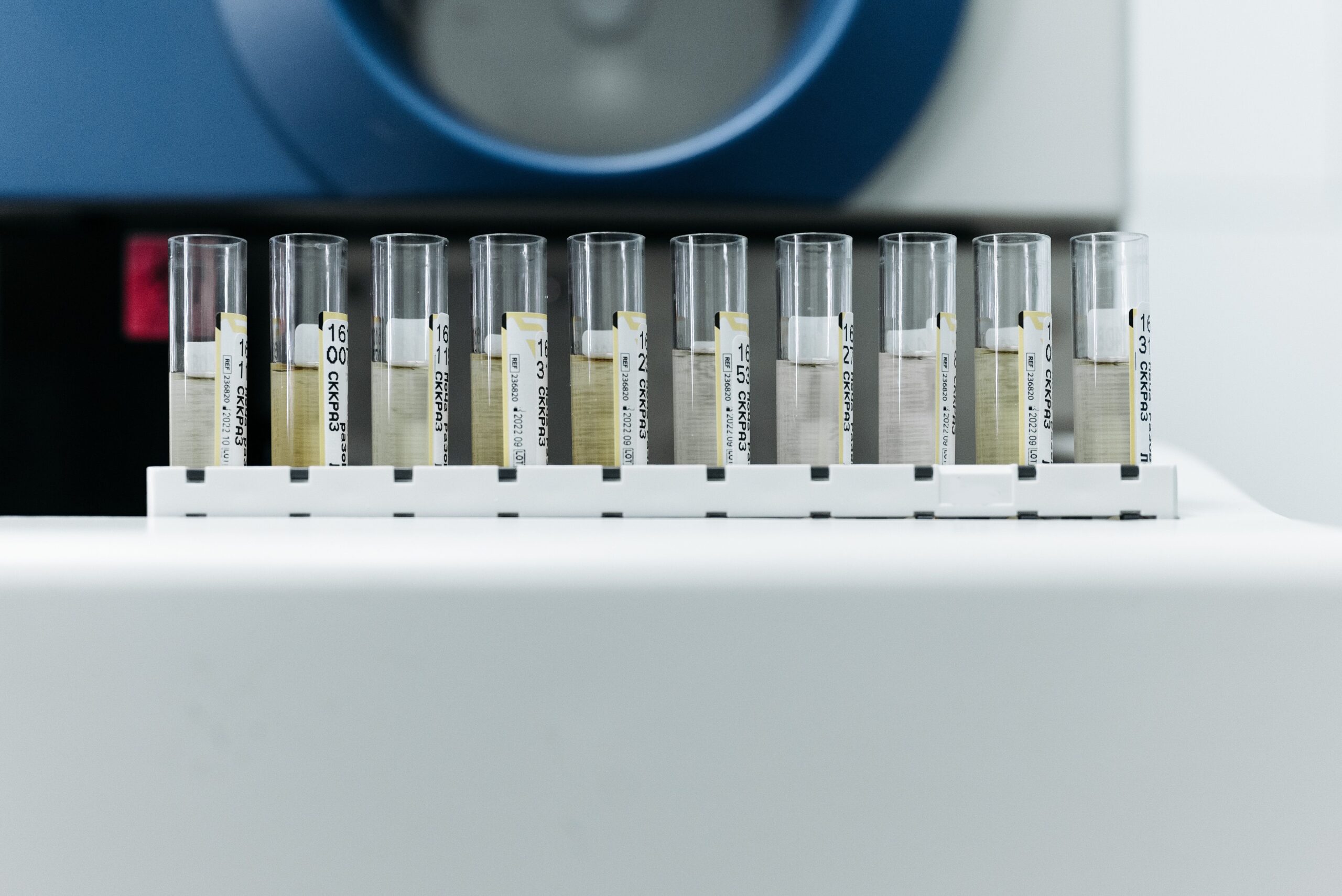
Urine Albumin-to-Creatinine Ratio (UACR): This test checks for albumin (a type of protein) in your urine. Healthy kidneys filter out protein; if protein leaks into your urine, it indicates glomerular damage.
-
The 5 Stages of CKD: Kidney disease is classified from Stage 1 (mild kidney damage with normal eGFR) to Stage 5 (kidney failure, where eGFR falls below 15 and dialysis or transplant becomes necessary).
A Note on Stage 3 CKD: Many people are diagnosed at Stage 3 (eGFR between 30 and 59). While it is a wake-up call, it is also a highly manageable stage. With the right interventions, many individuals remain at Stage 3 for decades without ever progressing to kidney failure.
2. Navigating the Renal Diet: What Can I Actually Eat?
One of the most common sources of anxiety for individuals with kidney disease is nutrition. Because your kidneys can no longer filter waste products efficiently, your diet plays a massive role in minimizing the workload on these organs.
A standard "healthy diet" (which often includes high-potassium fruits and whole grains) is not always a "kidney-healthy diet". Your specific nutritional needs will depend heavily on your stage of disease and blood filtration levels.
The Four Crucial Dietary Pillars
To protect your kidneys, you will typically need to monitor four key nutrients:
I. Sodium (Salt)
High sodium intake raises blood pressure, which directly damages the delicate blood vessels in your kidneys. It also causes fluid retention, leading to swelling in your ankles and shortness of breath.
-
The Goal: Aim for less than 2,000 mg of sodium per day (roughly one teaspoon of salt).
-
Action Step: Avoid processed foods, canned soups, and ready-made meals. Season your food with fresh herbs, garlic, lemon juice, or vinegar instead of table salt.
II. Potassium
Potassium keeps your muscles and nerves working properly, but high potassium levels (hyperkalemia) can cause dangerous heart arrhythmias.
-
High-Potassium Foods to Limit: Bananas, oranges, potatoes, tomatoes, spinach, and avocados.
-
Low-Potassium Alternatives: Apples, berries, grapes, pineapples, carrots, and cauliflower.
-
Pro Tip: You can reduce the potassium content in root vegetables by peeling, slicing, and boiling them in water before cooking.
III. Phosphorus
When kidney function declines, phosphorus accumulates in the blood, pulling calcium out of your bones and making them brittle.
-
Avoid Inorganic Additives: Look at food labels for any ingredients containing "phos" (e.g., phosphoric acid, dicalcium phosphate). These synthetic additives are absorbed almost 100% by your body.
-
Limit: Dark sodas, packaged deli meats, processed cheese, and beer.
IV. Protein
While protein is vital for muscle maintenance, its breakdown creates waste products that your kidneys must filter.
-
Early Stages (1-3): Moderately limiting animal protein and incorporating more plant-based proteins (like tofu, lentils, and beans) can reduce the kidney workload and lower acid production in the body.
-
Late Stages / Dialysis: If you transition to dialysis, your protein needs actually increase because the dialysis process removes protein from your blood.
3. Addressing Common Physical Pain Points and Symptoms
Living with kidney disease involves managing several physical symptoms that can affect your daily comfort and sleep. Understanding why these symptoms happen can help you address them constructively with your clinical team.
Persistent Itchy Skin (Pruritus)
-
Why it happens: A buildup of waste products (like urea) and imbalances in calcium and phosphorus can trigger intense, dry itching that cannot be resolved by standard moisturizers.
-
Management: Keep your phosphorus levels in check through diet. Use fragrance-free, thick moisturizing creams, and ask your nephrologist about specialized prescription topicals or oral medications designed for renal itch.
Muscle Cramps and Restless Legs
-
Why it happens: Shifts in your body's fluid balance and rapid changes in electrolytes (such as calcium, potassium, or magnesium) can cause painful cramping, especially at night.
-
Management: Gentle stretching before bed, staying within your doctor-approved fluid limits, and ensuring your electrolyte levels are tightly managed can minimize these disruptions.
Chronic Fatigue and Anemia
-
Why it happens: Healthy kidneys produce a hormone called erythropoietin (EPO), which signals your bone marrow to make oxygen-carrying red blood cells. Damaged kidneys produce less EPO, leading to anemia, which causes profound fatigue, weakness, and cold sensitivity.
-
Management: Your doctor can monitor your iron levels and prescribe synthetic EPO injections or oral medications to restore your red blood cell count and boost your energy.
4. Crucial Lifestyle Guidelines to Slow Progression
Beyond what you put on your plate, daily lifestyle choices play a massive role in preserving your remaining kidney function.
Tightly Control Blood Pressure and Blood Sugar
Hypertension (high blood pressure) and diabetes are the leading causes of kidney disease.
-
Blood Pressure: Keep your blood pressure within your target range (usually under 130/80 mmHg) using prescribed medications like ACE inhibitors or ARBs, which offer added protective benefits to the kidneys.
-
Diabetes Management: Work closely with your endocrinologist to keep your HbA1c in check, as high blood sugar physically damages the kidneys' filtering units over time.
Evaluate Your Medicine Cabinet
Many common over-the-counter (OTC) medications are nephrotoxic, meaning they are toxic to the kidneys.
-
NSAIDs to Avoid: Nonsteroidal anti-inflammatory drugs like ibuprofen, naproxen, and high-dose aspirin can significantly reduce blood flow to your kidneys, accelerating damage.
-
Safer Alternatives: Acetaminophen is generally safer for pain management, but always consult your doctor before starting any new medication or supplement.
Keep Moving Safely
Regular physical activity helps control blood pressure, reduces stress, and maintains muscle strength. Aim for 150 minutes of moderate exercise per week, such as walking, cycling, or swimming, as approved by your healthcare provider.
5. Preparing Your Clinical Support System
You do not have to manage this journey alone. Building a dedicated care team is one of the most empowering steps you can take. Your support system should include:
-
Nephrologist: A medical doctor specializing in kidney health who will monitor your disease progression and adjust your medical treatments.
-
Registered Renal Dietitian: A nutrition expert specialized in kidney health who will help you tailor a meal plan unique to your lab results and lifestyle.
-
Primary Care Physician (PCP): Who coordinates your overall health, vaccinations, and manages co-existing conditions like hypertension or diabetes.
Questions to Take to Your Next Appointment
Consider printing or writing down these questions for your next check-up to stay actively involved in your care:
-
What is my current eGFR, and what stage of kidney disease do I have?
-
Based on my latest lab work, do I need to restrict potassium, phosphorus, or fluid?
-
Are my current medications safe for my stage of kidney disease?
-
What physical symptoms should prompt me to contact your office immediately?
Living with kidney disease requires mindfulness and adjustments, but it does not define who you are. By taking small, consistent actions each day—choosing fresh foods, staying active, and collaborating closely with your medical team—you can protect your health and embrace a fulfilling life.
Medical Disclaimer
The information provided in this article is for educational and informational purposes only and should not be construed as medical advice. Always seek the advice of your physician, nephrologist, or other qualified healthcare provider with any questions you may have regarding a medical condition, dietary changes, or starting a new treatment plan. Never disregard professional medical advice or delay in seeking it because of something you have read here.