
Do Commercial "Kidney Cleanses" Actually Work? What the Science Says
Search engines and social media platforms are filled with promises of commercial "kidney detoxes," herbal teas, and rapid juice cleanses that claim to flush out toxins, dissolve kidney stones, and reverse Chronic Kidney Disease (CKD) overnight. To evaluate these claims objectively, one must first understand basic renal physiology: healthy kidneys do not need to be cleansed; they are the organs that do the cleansing.
Each day, your kidneys filter approximately 180 liters (48 gallons) of blood plasma, removing nitrogenous waste products like urea and creatinine while precisely balancing electrolytes and fluid volume.
[ COMMERCIAL DETOX CLEANSE ]              [ PHYSIOLOGICAL REALITY ]
* Unregulated herbal extracts             * High oxalate concentration (risk of Acute Kidney Injury)
* Extreme fluid restriction/flooding      * Risk of severe electrolyte imbalances (Hyperkalemia)
* "Instant toxin flush" claims            * Direct nephrotoxicity or drug-herb interactions
From a clinical research standpoint, aggressive commercial cleanses are not only ineffective—they can be directly dangerous for individuals with underlying kidney impairment:
-
Oxalate Nephropathy Risk: Green juice cleanses rich in spinach, beet greens, or rhubarb contain massive concentrations of oxalates. In patients with reduced eGFR, high dietary oxalate intake can lead to acute calcium oxalate crystal deposition in the renal tubules, triggering acute kidney injury (AKI).
-
Electrolyte Volatility: Herbal detox formulas frequently contain hidden potassium sources or natural diuretics that can precipitate life-threatening hyperkalemia or severe volume depletion.
-
Renal Hyperfiltration: Flooding the vascular system with extreme fluid volumes forces compromised glomeruli to work harder, accelerating structural shearing stress rather than providing "rest."
Rather than seeking rapid "cleanses," long-term renal preservation requires evidence-based strategies that reduce metabolic work, control blood pressure, and minimize uremic toxin buildup. To evaluate alarming trends in your baseline kidney blood work, see our clinical review on what level of creatinine is alarming.
Evidence-Based Nutrition: Reducing the Metabolic Load on Your Kidneys
Dietary modification is the single most effective non-pharmacological tool for slowing CKD progression and delaying renal replacement therapy. When nephron mass drops, the remaining healthy filtering units must process the same metabolic workload—a state known as adaptive hyperfiltration. Tailoring dietary intake reduces nitrogenous waste generation and lowers intraglomerular pressure.
+-----------------------------------------------------------------------------------+
|                   THE THREE DIETARY PILLARS FOR CKD PRESERVATION                   |
+-----------------------------------------------------------------------------------+
| 1. SODIUM RESTRICTION (< 2,000 mg/day): Reduces intravascular volume & BP         |
| 2. PROTEIN MODERATION (0.6 - 0.8 g/kg/day): Decreases glomerular hyperfiltration   |
| 3. PHOSPHORUS & POTASSIUM BALANCING: Prevents vascular calcification & arrhythmias |
+-----------------------------------------------------------------------------------+
1. Strategic Protein Moderation and Plant-Predominant Diets
Metabolizing animal protein generates significant quantities of fixed acids and nitrogenous waste products (such as blood urea nitrogen), which dilate the afferent renal arteriole and spike internal glomerular filtration pressure.
-
Target Protein Intake: For non-dialysis CKD patients (Stages 3–5), clinical practice guidelines recommended by Kidney Disease: Improving Global Outcomes (KDIGO) suggest a protein intake of $0.6\text{ to }0.8\text{ grams per kilogram of body weight per day}$.
-
The Plant-Based Advantage: Transitioning toward a plant-predominant diet (incorporating legumes, whole grains, and vegetables) reduces metabolic acidosis and lowers circulating uremic toxins. Plant proteins produce less hyperfiltration compared to red meat, providing a protective effect for functional nephron tissue.
2. Strict Dietary Sodium Restriction
Excess dietary sodium expands intravascular fluid volume, driving up systemic blood pressure and blunting the therapeutic efficacy of antihypertensive medications.
-
Daily Threshold: Limit total daily sodium intake to less than 2,000 mg per day (equivalent to 5 grams or roughly 1 level teaspoon of table salt).
-
Salt Substitutes Warning: Patients with reduced kidney function must avoid commercial salt substitutes containing potassium chloride, as failing kidneys cannot clear excess potassium efficiently.
3. Managing Phosphorus and Potassium Burden
As eGFR falls below $45\text{ mL/min/1.73m}^2$, the kidneys struggle to excrete dietary phosphorus and potassium:
-
Inorganic vs. Organic Phosphorus: Avoid inorganic phosphorus additives found in processed foods, fast food, and dark sodas; the human gut absorbs 90–100% of inorganic phosphorus compared to only 40–60% of organic phosphorus found in whole foods.
-
Potassium Individualization: Serum potassium levels must be monitored regularly. If hyperkalemia develops, high-potassium foods should be moderated under dietitian supervision.
To explore specific food selections and dietary restrictions to protect your filtering units, review our comprehensive list of foods to avoid with kidney disease.
Medical & Pharmacological Interventions to Delay Dialysis
While lifestyle modifications form the foundation of non-dialysis care, modern nephrology utilizes targeted disease-modifying medications that directly protect renal microvasculature and slow functional decline.
+-----------------------------------------------------------------------------------+
|                 PHARMACOLOGICAL NEPHROPROTECTION MECHANISMS                        |
+-----------------------------------------------------------------------------------+
| * SGLT2 Inhibitors (e.g., Dapagliflozin, Empagliflozin):                          |
|   -> Reduces intraglomerular pressure via tubuloglomerular feedback               |
| * ACE Inhibitors / ARBs (e.g., Lisinopril, Losartan):                             |
|   -> Dilates efferent arteriole, reducing proteinuria and glomerular strain        |
| * Non-Steroidal MRAs (e.g., Finerenone):                                          |
|   -> Blocks mineralocorticoid receptor inflammation and renal fibrosis            |
+-----------------------------------------------------------------------------------+
1. SGLT2 Inhibitors (The Modern Standard of Care)
Sodium-Glucose Cotransporter-2 (SGLT2) inhibitors—originally developed for type 2 diabetes—have revolutionized Chronic Kidney Disease management. Large-scale clinical trials (such as DAPA-CKD and EMPA-KIDNEY) demonstrate that SGLT2 inhibitors significantly reduce the risk of CKD progression, cardiovascular events, and the need for dialysis in both diabetic and non-diabetic kidney disease.
2. RAAS Blockade (ACE Inhibitors & ARBs)
Angiotensin-Converting Enzyme Inhibitors (ACEis) and Angiotensin II Receptor Blockers (ARBs) remain gold-standard therapies for proteinuric kidney disease. By selectively dilating the efferent arteriole (the outlet blood vessel of the glomerulus), these agents lower internal pressure within the filtering tufts, halting protein leakage into urine and slowing long-term tissue scarring.
For detailed breakdown of pharmaceutical management across intermediate disease stages, read our clinical guide on what medication is used for stage 3 kidney disease.
Hydration Protocols: How Much Water Do Your Kidneys Really Need?
A common myth is that drinking massive quantities of water—gallons per day—will "flush out" kidney disease and boost eGFR. In reality, hydration requirements must be tailored directly to your stage of kidney disease and individual volume status.
[ EARLY STAGE CKD (Stages 1-3) ]           [ ADVANCED CKD / OLIGURIA (Stages 4-5) ]
* Goal: Adequate fluid intake (2-2.5L/day) * Goal: Strict volume monitoring
* Flushes soluble wastes                   * Prevents fluid overload, pulmonary edema,
* Prevents kidney stones & UTIs            * and worsening hyponatremia
-
Early-to-Moderate CKD (Stages 1–3a): Maintaining consistent, moderate hydration (around 2 to 2.5 liters of fluid per day, unless otherwise restricted) helps prevent acute dehydration, reduces kidney stone formation risks, and assists in clearing urea.
-
Advanced CKD (Stages 3b–5): As filtration drops significantly, the kidneys lose their capacity to excrete excess water. Over-hydrating can lead to fluid retention, peripheral swelling (edema), high blood pressure, and life-threatening fluid accumulation in the lungs (pulmonary edema).
Always follow your nephrologist's fluid prescription, particularly if you are taking loop diuretics or experiencing swelling. To better understand how your body's filtration metrics are calculated and scaled, explore our research breakdown on understanding GFR units.
Absolute Avoidance of OTC Nephrotoxic Substances
Protecting remaining functional nephrons requires eliminating exposure to over-the-counter substances and environmental toxins that cause direct tubular injury or alter renal hemodynamics.
+-----------------------------------------------------------------------------------+
|                        NEPHROTOXIC SUBSTANCES TO ELIMINATE                        |
+-----------------------------------------------------------------------------------+
| 1. NSAIDs (Ibuprofen, Naproxen, High-Dose Aspirin): Constricts afferent arteriole |
| 2. Unverified Herbal Supplements (Aristolochic acid, Yohimbe, Licorice root)      |
| 3. High-Dose Vitamin C Supplements (> 1,000 mg/day): Risk of secondary oxalosis   |
| 4. Proton Pump Inhibitors (Long-Term Use): Risk of Acute Interstitial Nephritis   |
+-----------------------------------------------------------------------------------+
1. Non-Steroidal Anti-Inflammatory Drugs (NSAIDs)
Over-the-counter NSAIDs (including ibuprofen, naproxen, and high-dose aspirin) block renal prostaglandins, which are responsible for keeping the afferent arteriole (the inlet vessel to the glomerulus) dilated. Taking NSAIDs starves the kidney of blood supply, induces acute fluid retention, and can trigger sudden drops in eGFR.
2. High-Dose Vitamin C and Unregulated Supplements
Excessive doses of Vitamin C ($>1,000\text{ mg/day}$) are metabolized into oxalate, increasing the risk of oxalosis in failing kidneys. Furthermore, unregulated herbal supplements may contain heavy metals or unlisted compounds like aristolochic acid, a known renal carcinogen and toxin.
If you are evaluating natural strategies or wondering whether advanced disease can be managed effectively without dialysis, review our analysis on can CKD stage 3 be cured.
Staging and Tracking Your Kidney Health Trajectory
To prevent dialysis successfully, patients and healthcare teams must track long-term laboratory trends rather than relying on isolated snapshots.
| CKD Stage | eGFR Range (mL/min/1.73m2) | Clinical Focus & Preservation Strategy |
| Stage 1 | $\ge 90$ | Identify underlying cause; control blood pressure and blood sugar. |
| Stage 2 | $60 - 89$ | Monitor eGFR decline; implement dietary sodium restriction and exercise. |
| Stage 3a | $45 - 59$ | Initiate SGLT2i or ACEi/ARB; evaluate bone density and anemia. |
| Stage 3b | $30 - 44$ | Moderate protein intake ($0.6-0.8\text{ g/kg}$); manage potassium and phosphorus. |
| Stage 4 | $15 - 29$ | Advanced nephrology care; prepare vascular access planning vs. conservative care. |
| Stage 5 | $< 15$ | Kidney failure; evaluate dialysis, kidney transplant, or conservative management. |
To understand when lab shifts warrant clinical concern, read our guide on when to worry about eGFR drops. Additionally, if fluctuating lab numbers are accompanied by flank discomfort, consult our clinical guide on what back pain from kidney disease feels like to differentiate muscle strain from renal inflammation.
Frequently Asked Questions
Can natural remedies replace dialysis if my kidneys have failed?
No. When Chronic Kidney Disease reaches Stage 5 (End-Stage Renal Disease with an $\text{eGFR} < 15\text{ mL/min/1.73m}^2$ accompanied by severe uremic symptoms, fluid overload, or unmanageable hyperkalemia), natural remedies and dietary changes alone are insufficient to sustain life. Renal replacement therapy—either dialysis or a kidney transplant—becomes necessary to clear lethal metabolic waste. However, early evidence-based lifestyle interventions can significantly delay the onset of Stage 5 failure.
Are there any natural supplements that lower creatinine levels?
While some supplements (like alpha-lipoic acid or CoQ10) are studied for antioxidant properties, no unregulated herbal supplement is clinically proven to restore lost nephrons. Some products claim to lower serum creatinine simply by inhibiting intestinal absorption or altering laboratory assays, creating a false illusion of improvement without actually enhancing glomerular filtration rate. Always consult your nephrologist before taking any supplement.
How does controlling blood pressure help avoid dialysis?
High systemic blood pressure transmits shearing physical stress directly into the fragile capillary loops of the glomeruli, causing mechanical scarring (glomerulosclerosis). By maintaining blood pressure within clinical target goals (typically $<130/80\text{ mmHg}$), you reduce intraglomerular stress, preserve functional nephron density, and slow the overall rate of eGFR decline.
What is conservative kidney management?
Conservative kidney management (also known as comprehensive conservative care) is an active, evidence-based medical treatment pathway for advanced CKD (Stage 5) that focuses on symptom control, quality of life, and preserving remaining kidney function using medications and diet without initiating dialysis. It is a structured medical approach chosen by patients who decide against renal replacement therapy in consultation with their nephrologist.
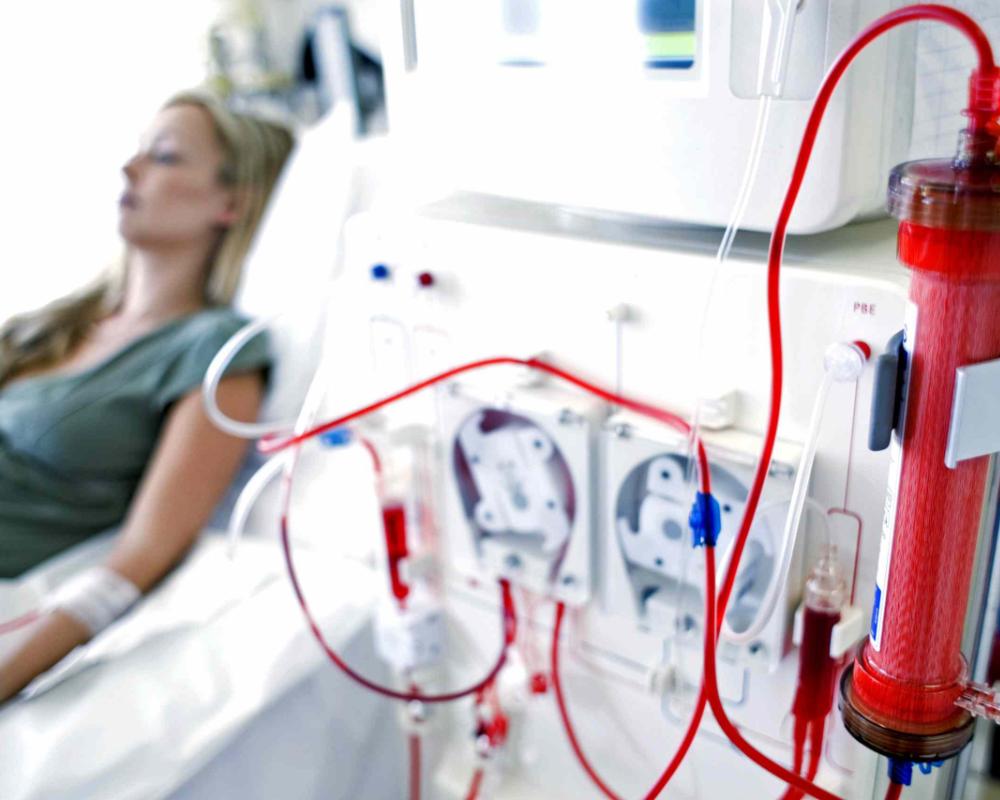
Are you tired of living under the shadow of kidney disease? Are you yearning for a life free from the shackles of dialysis, kidney failure, and the looming threat of kidney transplants? If so, you're in the right place at the right time. Imagine waking up every morning with boundless energy, feeling rejuvenated and ready to take on the day. Envision a life where your kidneys are functioning optimally, and you no longer dread the burdensome routines of dialysis sessions. The Kidney Disease Solution Program is here to turn that vision into reality for you.